


 Français
 عربى
عربى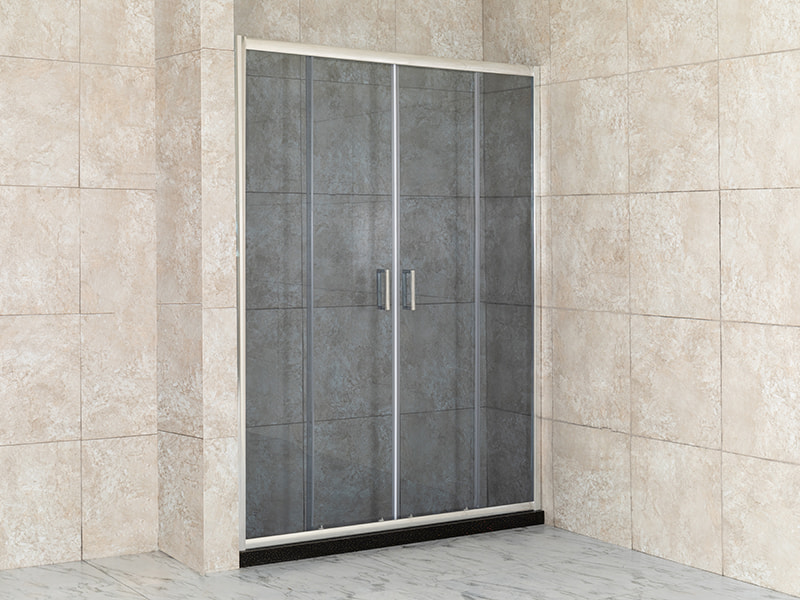
Product Consultation
Your email address will not be published. Required fields are marked *
Content
Sliding doors have become one of the most requested features in contemporary living room design — and for good reason. Unlike hinged doors that demand a clearance arc of up to 10 square feet, a sliding panel moves parallel to the wall, reclaiming floor space and creating a cleaner sightline. In open-plan homes, sliding doors for the living room provide flexible room division without the visual bulk of a fixed wall or the operational frustration of a door swinging into furniture.
The global interior door market was valued at approximately USD 11.6 billion in 2023 and is projected to grow at a compound annual rate of over 5% through 2030, driven in large part by consumer demand for space-efficient sliding and folding solutions in both new builds and renovation projects.
Getting the sizing right is the foundation of any successful sliding door installation. While custom fabrication is available from most manufacturers, there are widely accepted standard dimensions that suit the majority of residential openings:
| Application | Standard Width | Standard Height | Panel Thickness |
|---|---|---|---|
| Single bypass (bedroom/living) | 24″–36″ (610–915 mm) | 80″ (2,032 mm) | 1–1¾″ (25–44 mm) |
| Double bypass (wide opening) | 48″–72″ (1,220–1,829 mm) | 80″–96″ (2,032–2,438 mm) | 1–1¾″ (25–44 mm) |
| Patio / garden sliding door | 60″–72″ (1,524–1,829 mm) | 80″–84″ (2,032–2,134 mm) | 1¾″–2″ (44–51 mm) |
| Floor-to-ceiling glass panel | Custom (up to 120″ / 3,048 mm) | 96″–120″ (2,438–3,048 mm) | ⅜″–½″ glass (10–12 mm) |
When measuring for a bypass or pocket sliding door, the rough opening should be at least 2 inches wider and 2 inches taller than the door slab to allow for the track hardware and framing adjustment. For flush wall-pocket installations — where the panel slides entirely into a cavity within the wall — the cavity depth must equal the full door width plus 2–3 inches for the frame and hardware.
For living rooms connecting to outdoor spaces, sliding patio doors should also account for a threshold height of 1–2 inches to provide a weather-resistant seal, or opt for a zero-threshold (level-access) frame for accessibility compliance under ADA/BS 8300 guidelines.
The material composition of a sliding door panel directly affects its insulation value, acoustic performance, safety rating, and aesthetic. For living room applications, the most common configurations are:
Frame materials follow a similar spectrum of trade-offs. Aluminum frames offer the slimmest sightlines (as narrow as 20 mm in frameless systems) and excellent corrosion resistance, making them the dominant choice for contemporary design. uPVC frames deliver superior thermal insulation at a lower price point. Timber frames remain popular in heritage and Scandinavian-style interiors for their warmth and natural aesthetic, though they require more maintenance than aluminum or uPVC equivalents.
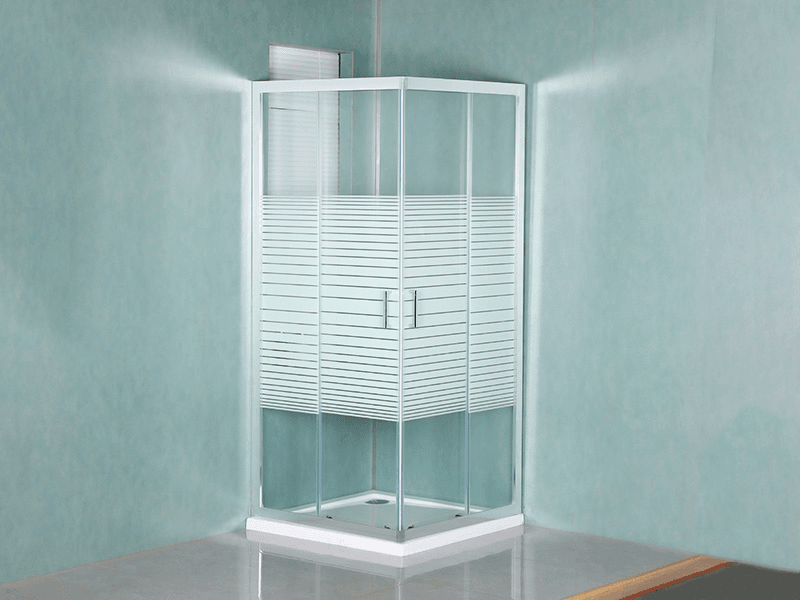
A shower cubicle's measurements are not simply a matter of fitting a given footprint — they determine comfort, accessibility, and compliance with building regulations. The minimum recommended interior shower cubicle size for a single user is 800 mm × 800 mm (32″ × 32″), but most designers and building codes now push for 900 mm × 900 mm (36″ × 36″) as the practical standard for comfortable use.
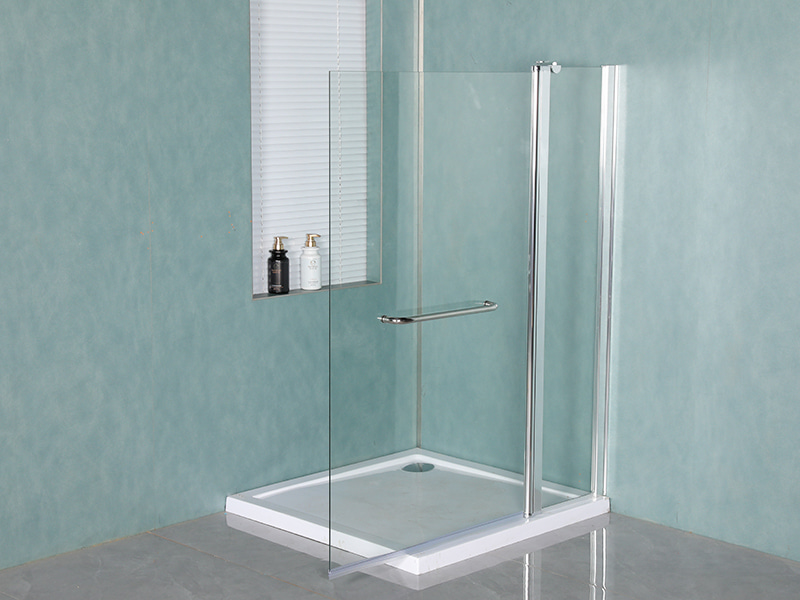
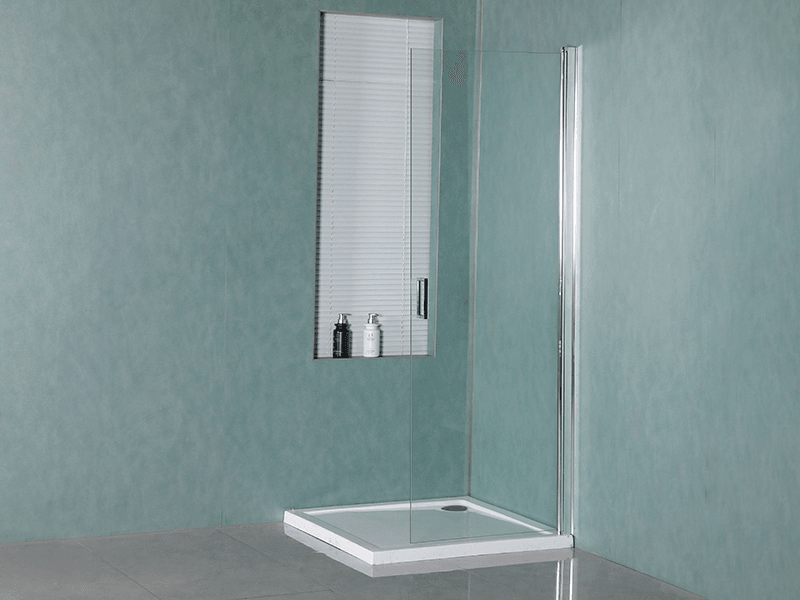
For walk-in showers — which are increasingly specified in master bathrooms and hotel-style en suites — the standard entry opening is at least 600 mm (24″) clear width, rising to 900 mm (36″) for accessibility under ADA and BS 8000 Part 2 guidelines. A wetroom-style walk-in with no door requires a minimum of 1,200 mm (47″) of depth to prevent spray from escaping the enclosure.
Shower cubicle height is equally important but frequently overlooked. Standard enclosure panels are 1,850–2,000 mm (73–79″) tall. For bathrooms with ceilings above 2,400 mm, extending the enclosure to ceiling height eliminates the gap above the panels, significantly reducing condensation and mold risk in the wider bathroom.
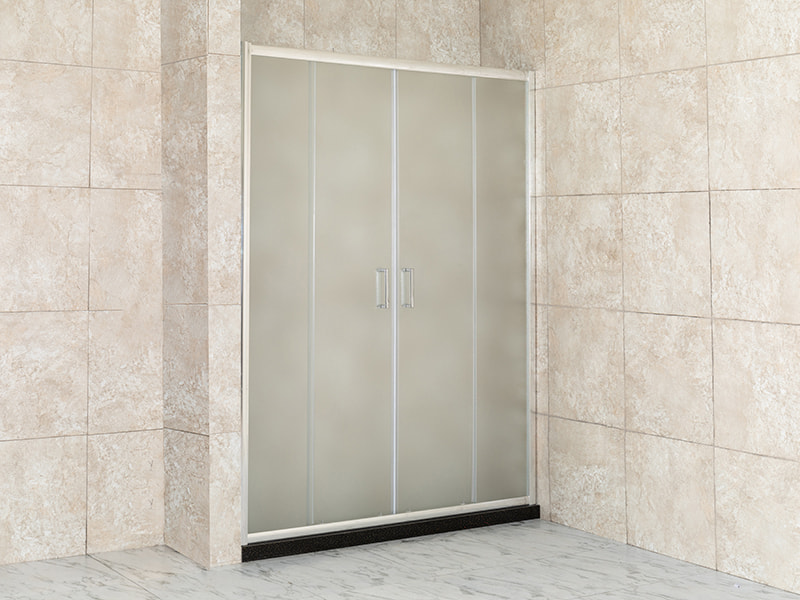
The door mechanism on a shower cubicle is as much a spatial decision as an aesthetic one. Sliding shower doors are the most practical choice for cubicles narrower than 1,200 mm, where a hinged door opening outward would collide with a vanity unit, toilet, or towel rail. A sliding door requires no swing clearance — only the track width (typically 25–40 mm) on each side of the opening panel.
Hinged doors, by contrast, are better suited to larger walk-in enclosures (1,400 mm or wider) where the full door width can swing freely. They offer a cleaner frameless aesthetic and tend to produce a tighter seal at the door edge. The practical rule of thumb: if the bathroom floor area outside the cubicle is less than 600 mm wide, a sliding door is the correct specification.
Bifold shower doors occupy a middle ground — folding in half when opened, they require only 150–200 mm of clearance in front of the cubicle. They are commonly specified in shower-over-bath configurations and compact en suites where even a sliding door's lateral track space is constrained.
In open-plan apartments and loft conversions where a bathroom or wet room is visible from the living area, design coherence between the sliding doors for the living room and the shower cubicle enclosure can elevate the overall interior quality significantly. Specifying the same glass type (clear low-iron, frosted, or fluted), the same frame finish (brushed brass, matte black, or polished chrome), and the same hardware profile across both elements creates a unified, considered aesthetic.
Frameless glass systems — used in both premium sliding room dividers and walk-in shower enclosures — use 10 mm or 12 mm tempered or laminated glass supported by minimal metal hardware, maximizing light transmission and creating the illusion of greater space. This specification is particularly effective in compact urban apartments where the visual permeability of glass compensates for limited square footage.
When coordinating both products from a single supplier, buyers can often negotiate consistent color matching across door handles, hinges, shower profiles, and towel bar finishes — a detail that professional interior designers consistently cite as one of the highest-impact, lowest-cost refinements available in a bathroom or open-plan living renovation.
Shower Cubicle Sizes & Glass Kitchen Partitions Guide
Kitchen Backsplash Ideas Glass & Single Pane Shower Door Complete Guide
Your email address will not be published. Required fields are marked *

 Tel: +86 13967167585
 E-mail: [email protected]
Copyright 2023 Anhui D-MAN Smart Home Co., Ltd. All Rights Reserved Shower Enclosures Manufacturers Shower Room Design Custom
