


 Français
 عربى
عربى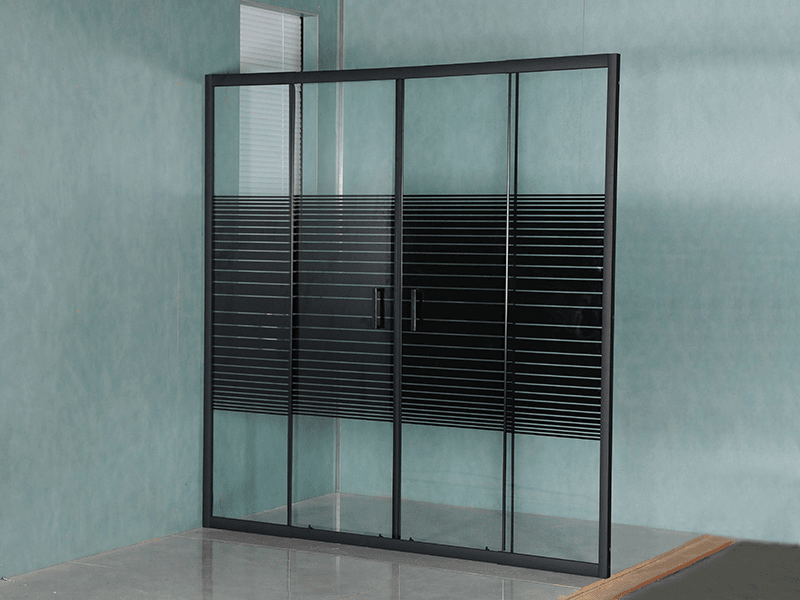
Product Consultation
Your email address will not be published. Required fields are marked *
Content
Bathroom renovation has become one of the most active categories in residential construction, and the direction is unmistakable. Homeowners are no longer approaching the common bathroom as a purely functional room to be maintained — they are approaching it as a space to be designed. Across remodel projects in 2026, the familiar assembly of toilet, sink, and tub is giving way to something considerably more deliberate: layered lighting, natural materials, open-format layouts, and fixtures chosen for how they feel as much as how they perform.
Industry data supports the shift. The NKBA 2026 Bath Trends Report found that 89% of renovation professionals are seeing demand for minimal or no grout lines, and 80% expect large-format flooring to lead the category over the next three years. These are not aesthetic preferences alone — they signal a broader reconsideration of what a well-designed common bathroom actually requires.
The starkly white, cool-gray bathroom that dominated a decade of renovation media is losing ground fast. In 2026, the prevailing mood is warmer, softer, and decidedly more personal. Creamy ivories, sage greens, earthy terracottas, and clay tones are appearing across new projects, and designers describe the shift as a response to how people actually want to feel in their bathrooms — not clinical, but calm.
Sherwin-Williams named Universal Khaki its 2026 Color of the Year, a mid-tone tan that reflects the broader appetite for grounded, natural palettes. Alongside it, soft pastels — dusty lilac, muted apricot, pistachio — are being applied with restraint and elevated by clean hardware choices, creating spaces that feel joyful without veering into novelty. The palette shift extends beyond walls: bathroom furniture, faucets, and even shower surrounds are carrying color in ways that would have seemed unusual five years ago.
Material choices are moving in the same direction. Light woods, natural stone, ceramic, and terracotta are dominating specification lists, with designers citing a Japandi-Mediterranean hybrid aesthetic as the defining influence of the moment — organic, tactile, and unhurried. The NKBA report records wood-faced vanities at 62% of renovation projects, reflecting just how thoroughly natural finishes have become the default expectation rather than an upgrade.
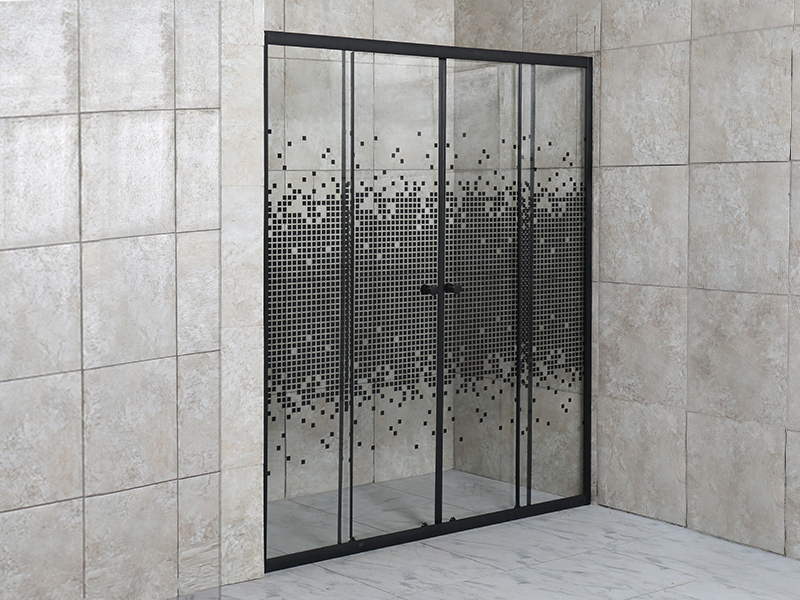
The shower has claimed a new level of design attention in 2026 renovations. Open-concept layouts with barrier-free entries, frameless glass, and continuous floor planes are being specified across all budget tiers — no longer as a premium addition, but as the expected baseline for a thoughtfully designed bathroom. The appeal is both spatial and practical: a curbless threshold reads as architecturally resolved, makes the room feel larger, and improves accessibility for long-term use.
For projects prioritizing the shower experience itself, thermostatic and digital control systems are gaining ground, offering consistent temperature, multi-outlet operation, and a start-before-you-step-in convenience that makes the upgrade hard to walk back once installed. Paired with rainfall overhead fixtures and built-in niching, the modern shower is less a plumbing fixture than a considered ritual space.
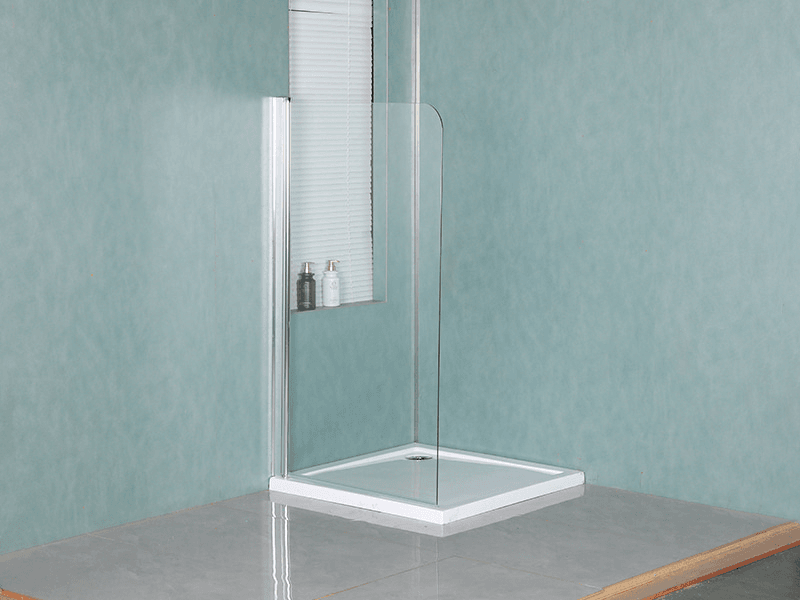
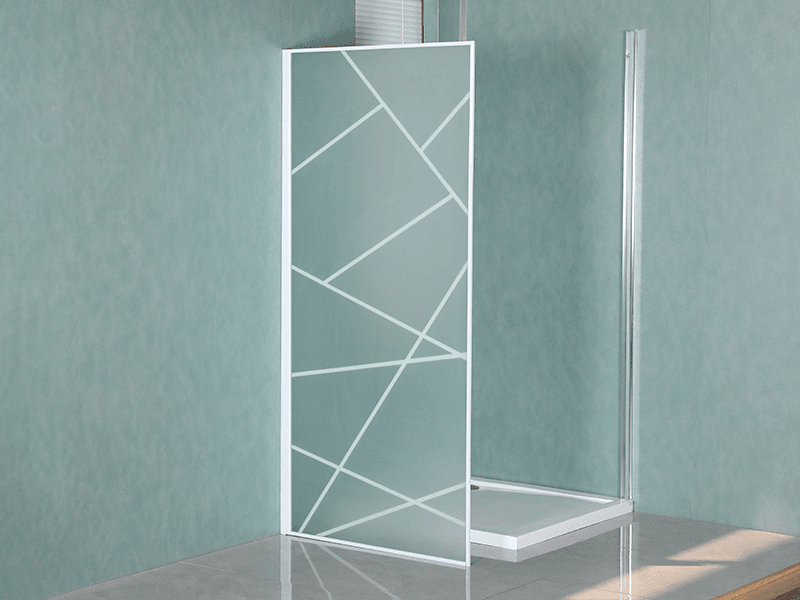
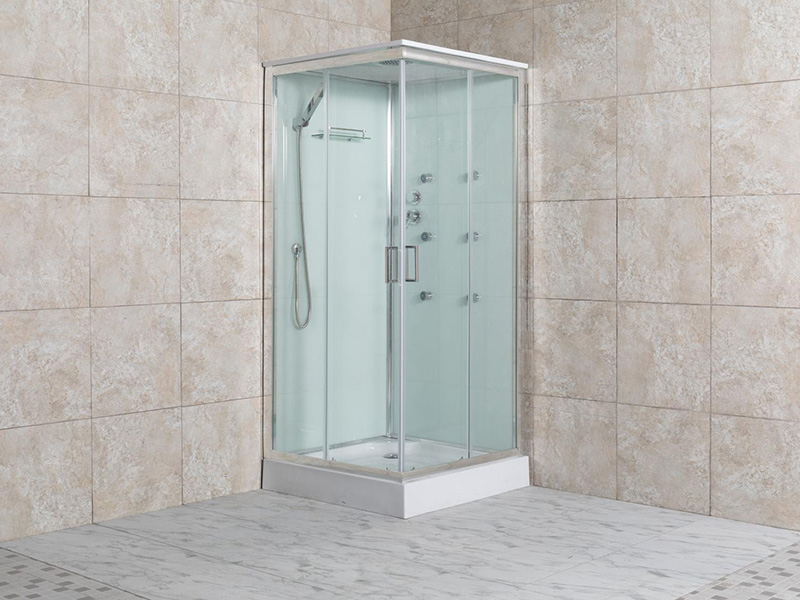
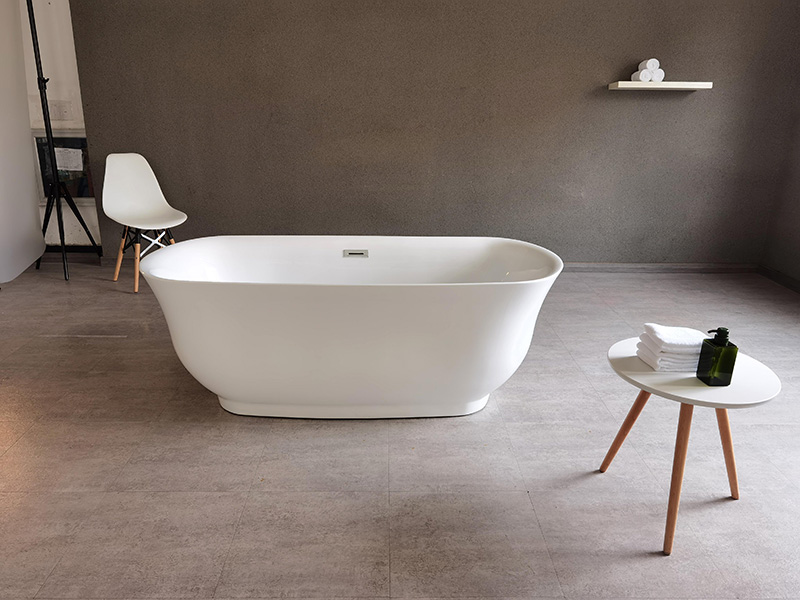
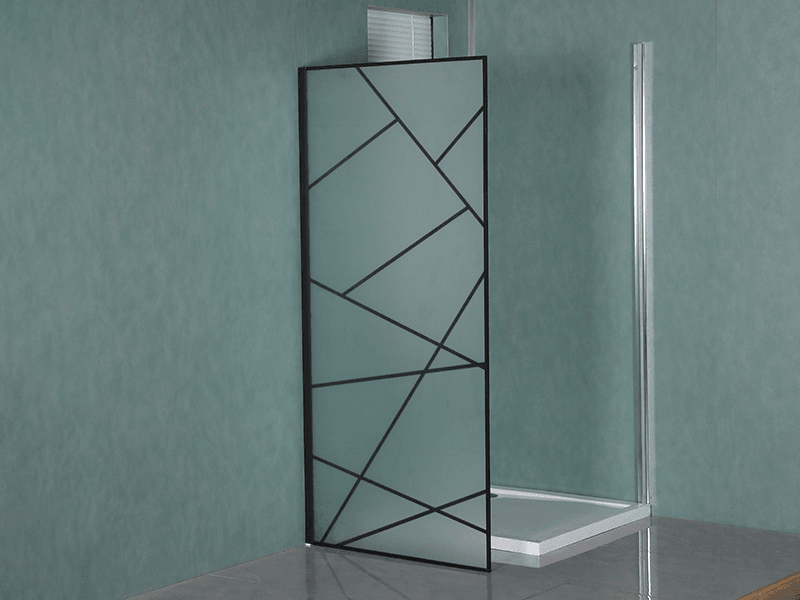
Walk-in shower enclosures engineered for frameless, open-plan layouts are central to this transformation. Their glass panels preserve sightlines across the entire bathroom, while the absence of a frame keeps the visual language clean and maintenance low. For bathrooms where a tub remains part of the program, freestanding bathtubs positioned as a room's sculptural centerpiece deliver the same high-impact effect — a single statement piece that anchors the entire design without requiring extensive construction.
Tile choices are keeping pace. The 2025 Houzz Bathroom Trends Study — the most recent published data — recorded rectangular tiles at 29%, hexagonal at 26%, and square at 22% for shower floors, with stacked horizontal wall arrangements appearing in 18% of projects. In 2026, Zellige, handcrafted Moroccan-inspired tiles, and artisanal patterns with visible texture and variation are moving to the front of designer specification lists, chosen specifically for the warmth and irregularity that mass-produced tiles cannot replicate.
Bathroom lighting has historically been an afterthought — a single overhead fixture that served the whole room indifferently. In 2026, layered lighting has become one of the most cited upgrades among renovation professionals, and the reason is straightforward: a bathroom that looks good under flat overhead light is not the same as one that performs well at 6 a.m. and equally well for an evening wind-down.
The approach now separates task lighting — accurate, even, and positioned close to the mirror — from ambient lighting, which sets mood and temperature. Warm color rendering between 2700K and 3000K is the standard for residential bathrooms in 2026, producing light that flatters skin tone and creates a calm, spa-adjacent atmosphere. Indirect LED strips integrated into ceiling recesses, floating vanities, and mirror surrounds are among the most popular implementation methods.
LED bathroom mirrors with integrated halo lighting around the perimeter address the task and aesthetic requirements simultaneously. Edge or backlit designs eliminate the shadow cast by overhead fixtures, providing the even, true-color illumination that grooming tasks demand. Anti-fog coatings, dimmable controls, and built-in USB charging have moved from premium features to expected inclusions in this category.
For bathrooms where storage is as important as appearance, mirror cabinets that integrate storage behind a reflective door remain one of the most efficient solutions available — occupying a single wall plane while solving two problems at once. The Houzz study recorded built-in vanity outlets in 29% of recent projects, confirming that concealed functionality is a clear priority across renovation budgets.
Water efficiency has shifted from a talking point to a specification standard in 2026 bathroom renovations. The financial case is clear: according to the U.S. Environmental Protection Agency's WaterSense statistics and facts, replacing inefficient bathroom fixtures with certified models can save the average household over $380 annually in combined water and energy costs. Upgrading to a WaterSense-labeled toilet alone accounts for approximately 13,000 gallons of water savings per year — a number that scales meaningfully in multi-bathroom homes.
Faucet efficiency is equally consequential. WaterSense-certified bathroom faucets reduce flow by 30% or more compared to standard 2.2-gallon-per-minute models, without measurable performance loss. Across a household, replacing faucets and aerators with certified alternatives saves an average family 700 gallons of water annually. These are not marginal gains — and the renovation industry in 2026 is treating them accordingly, with low-flow fixtures and dual-flush systems appearing as standard inclusions rather than upgrades in project scopes.
Material sustainability is receiving equal attention. Recycled glass tiles, bamboo vanities, reclaimed wood shelving, and low-VOC finishes are being specified not only for their environmental credentials but for the warmth and texture they bring to a space. The overlap between sustainable choice and aesthetic preference has never been closer, which is accelerating adoption considerably. Bathroom accessories built for long-term durability are part of the same calculus — products designed to last reduce replacement frequency and the waste associated with it.
Not every common bathroom requires a full overhaul to benefit from these shifts. The most consistent advice from renovation professionals in 2026 is to prioritize changes that affect daily experience first — lighting, shower functionality, and storage — before addressing cosmetic finishes. A well-lit bathroom with a properly performing shower and clear countertops delivers more satisfaction per dollar than a complete tile replacement in a room that still has inadequate light.
For projects with more scope, the combination of an open shower zone, a statement freestanding tub, and layered ambient and task lighting produces the greatest design return. Shower trays engineered for level, curbless transitions are a practical starting point for the layout shift — enabling the open-plan flow that defines the 2026 aesthetic without requiring structural changes. Paired with natural material choices and WaterSense-certified fixtures, the result is a bathroom that performs well, looks considered, and holds its value through the design cycles ahead.
The common bathroom in 2026 is being held to an uncommon standard. Homeowners have absorbed enough design exposure, lived enough hours in well-made hotel bathrooms, and spent enough time thinking about daily comfort to know the difference — and they are acting on it.
Glass Mirror Decoration: Types, Styles & Bathroom Design Guide
Bathroom with Glass Walls: Design Ideas and Planning Guide
Your email address will not be published. Required fields are marked *

 Tel: +86 13967167585
 E-mail: [email protected]
Copyright 2023 Anhui D-MAN Smart Home Co., Ltd. All Rights Reserved Shower Enclosures Manufacturers Shower Room Design Custom
