


 Français
 عربى
عربى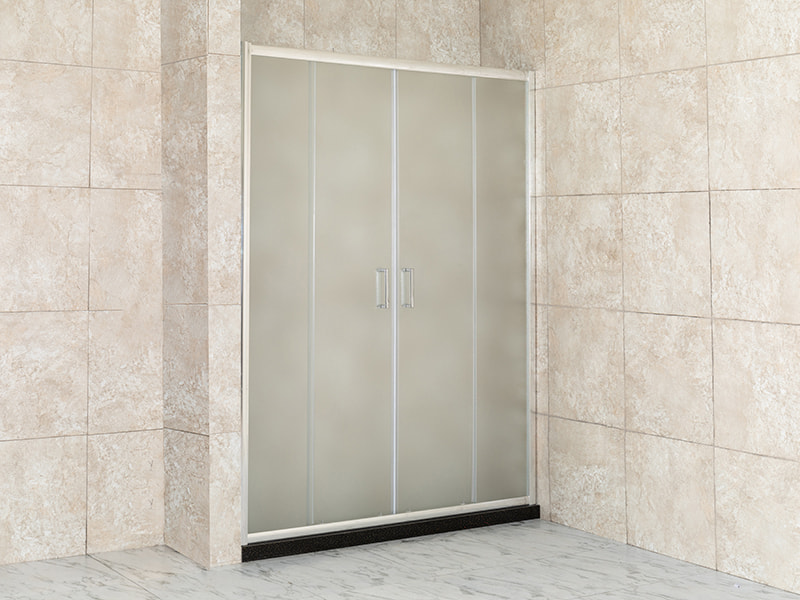
Product Consultation
Your email address will not be published. Required fields are marked *
When you are specifying glass for a bathroom, one question comes up repeatedly: tempered or laminated? For shower screens, sliding doors and wet-room enclosures, tempered glass is the practical default because it resists thermal shock and breaks into small, blunt granules. Laminated glass, by contrast, earns its place where containment matters: large windows, overhead panels and security zones, because its interlayer keeps broken fragments in place. The right choice depends on where the panel will sit, what loads it will face and which safety regulations apply to the opening.
Content
Tempered glass, also called toughened glass, starts as a single sheet of annealed glass. The pane is heated to roughly 650°C and then cooled rapidly with forced air on both surfaces. This rapid cooling creates a balanced stress profile: the surfaces are in compression while the core is in tension. That internal state is what gives tempered glass its mechanical performance.
Those properties explain why tempered glass is the standard material for shower screens and enclosures in the bathroom sector. A typical example is a one-fixed-one-sliding shower screen with tempered glass and double-hole handles, where 6 mm or 8 mm toughened panels are engineered to carry daily door movement and continuous water exposure.
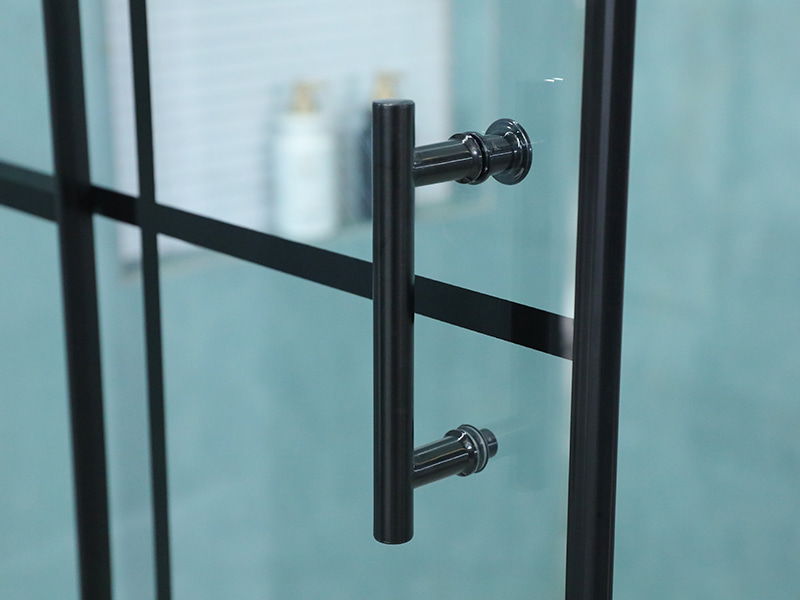 Wholesale SD-4 One Fixed And One Sliding Shower Screen With Double Hole Handle SD-MAN - Wholesale Suppliers and Company of SD-4 One Fixed And One Sliding Shower Screen With Double Hole Handle in China, WholesaleSD-4 O...View Product →
Laminated glass is a composite product. Two or more glass sheets are bonded together with a transparent interlayer, usually polyvinyl butyral (PVB), ethylene-vinyl acetate (EVA) or an ionomer film. The interlayer is the reason laminated glass behaves differently from tempered glass: it holds the panel together after impact.
When a laminated panel is struck hard enough to crack, the broken pieces remain attached to the interlayer instead of falling out. That makes laminated glass particularly useful where falling glass is dangerous, where a barrier must stay intact after a blow, or where sound and ultraviolet control matter as much as safety.
The two products are often grouped together as safety glass, but they behave in fundamentally different ways. The simplest summary is this: tempered glass is one strengthened pane that breaks into harmless granules; laminated glass is a bonded assembly that stays together after impact.
Tempered glass is produced by heating one pane and cooling it rapidly. Laminated glass is produced by stacking two or more panes with an interlayer and bonding them under heat and pressure in an autoclave. The processes can even be combined: a laminated panel made from tempered substrates is common in premium overhead glazing and high-security doors.
Tempered glass shatters into small, relatively harmless pieces on impact, which lowers the risk of serious cuts and makes cleanup simple. Laminated glass retains its shape as a cracked sheet because the interlayer holds the fragments. For intrusion resistance, laminated glass is clearly superior: a hard blow may crack the panel, but it remains a barrier until the interlayer is cut through.
At the same thickness, tempered glass is roughly four to five times stronger than annealed glass against bending and impact. Laminated glass, even with annealed substrates, offers better penetration resistance because the interlayer absorbs part of the impact energy. With either product, edge quality and correct installation matter: a chipped edge or a misaligned frame reduces the theoretical strength quickly.
Laminated glass is the better choice for noise control. The PVB interlayer dampens sound transmission, particularly in the mid and high frequencies, and a well-designed laminated pane can lower transmitted noise by several decibels compared with a monolithic pane of the same thickness. Both glass types block some ultraviolet light, but laminates with PVB stop almost all of it.
Tempered glass is the more economical option for shower rooms and doors. Laminated glass adds the interlayer, a second pane and an autoclave step, which increases material and processing costs. For a typical bathroom project, tempered glass is also easier to handle, store and install, which keeps the total installed price lower.
| Property | Tempered Glass | Laminated Glass |
|---|---|---|
| Construction | Single pane, heat-strengthened | Two or more panes bonded with an interlayer |
| Strength versus annealed glass | About four to five times stronger | Moderate bending strength, excellent penetration resistance |
| Breakage behaviour | Breaks into small granules | Holds together after impact |
| Common thicknesses | 4, 6, 8, 10 and 12 mm | 6.38 mm, 8.76 mm, 11.52 mm and upwards |
| Sound insulation | Moderate | Good to very good, depending on the interlayer |
| UV blocking | Partial | Over 99 percent with standard PVB |
| On-site rework | Not possible after tempering | Limited; edges need protection from moisture |
| Relative cost | Lower | Higher |
Both types are recognised by the main safety glazing standards. Tempered glass is covered by EN 12150 in Europe and ANSI Z97.1 in North America; laminated safety glass is covered by standards such as EN 14449. In most jurisdictions, shower enclosures require tempered safety glass, while overhead, large-format and security glazing frequently requires laminated glass or a combination of the two.
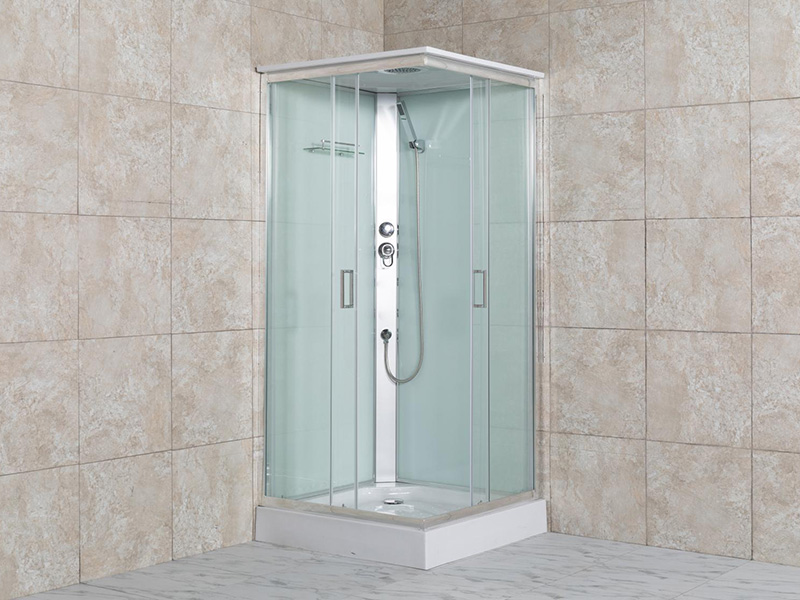
Shower screens and enclosures operate under constant moisture, changing temperatures and repeated mechanical loads from door movement. Tempered glass is well matched to those conditions. It handles the thermal shock of hot water hitting the surface, tolerates the daily loads from sliding and hinged doors, and is a recognised safety product in wet areas.
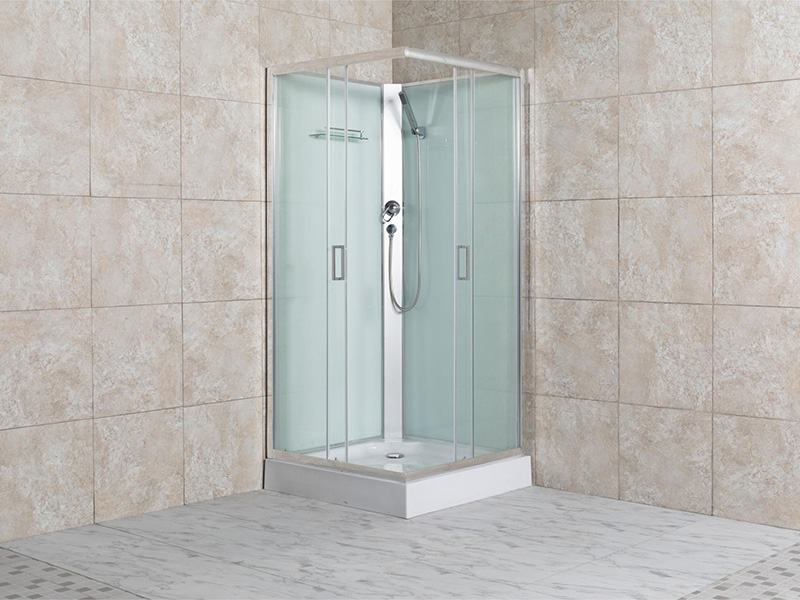
Because a tempered panel cannot be cut on site, the supplier must complete all drilling and edge work before heat treatment. Hardware such as hinges, handles and rollers is fitted to the finished pane at the factory. This is why complete units like a sliding shower enclosure with clear tempered glass and a black aluminium profile are delivered as fully assembled sets rather than as raw glass for local processing.
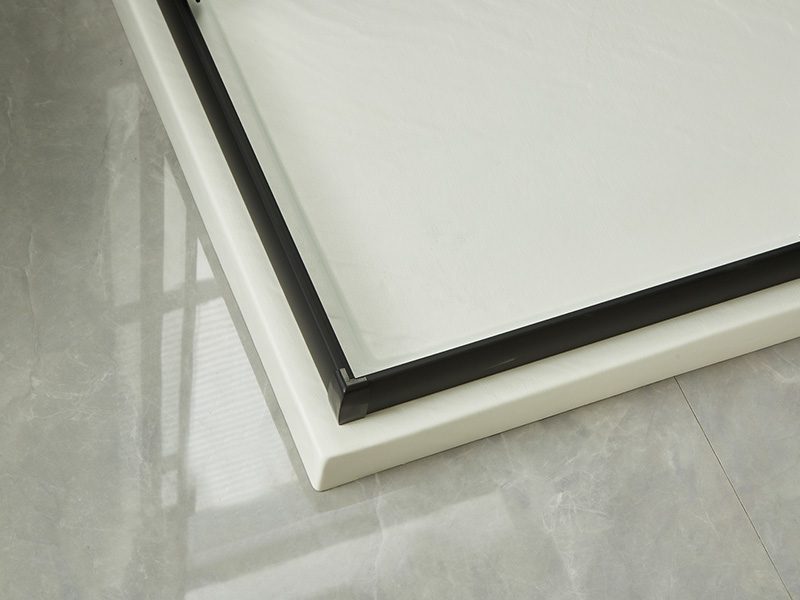 Wholesale SQ Sliding Shower Enclosusre, Clear Tempered Glass, Black Aluminium PrD-MAN - Wholesale Suppliers and Company of SQ Sliding Shower Enclosusre, Clear Tempered Glass, Black Aluminium Profile, Double Holes Hand...View Product →
Laminated glass is the preferred material for skylights, glass floors, balustrades, storefronts and noise-sensitive facades. In a bathroom, a laminated window is a sensible choice when the glass is large, set low, or positioned directly above a bathtub. If it breaks, the panel stays in the frame instead of dropping into the room.
One detail to raise with your supplier: laminated edges are sensitive to moisture, so the edge seal must be protected from constant condensation. In a high-humidity bathroom, that means using a proper edge cover and ensuring the frame drains correctly.
For most bathroom projects, tempered glass should be the first consideration. It meets safety requirements, resists heat and impact, and delivers the clean, minimal appearance expected from modern shower screens. Laminated glass should be specified where containment matters: large windows, overhead panels, or any position where a falling sheet of glass could injure someone.
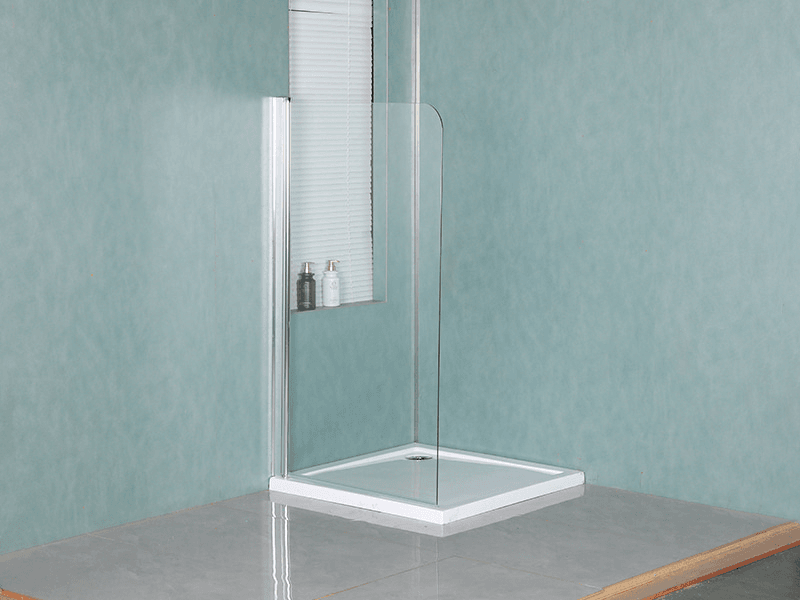
For compact bathrooms, a pivot shower enclosure with double-hole handles is a practical tempered-glass option because the door swings outward without taking up floor space. Maintenance also affects performance: using a neutral, non-abrasive cleaner and wiping the surface regularly prevents hard water from attacking the edges. This is where choosing the right cleaner for opening shower enclosure glass makes a measurable difference to the life of the panel. If a tempered screen does crack, the damaged unit is replaced rather than repaired; understanding what to do if a shower screen is cracked can prevent injury and reduce replacement cost.
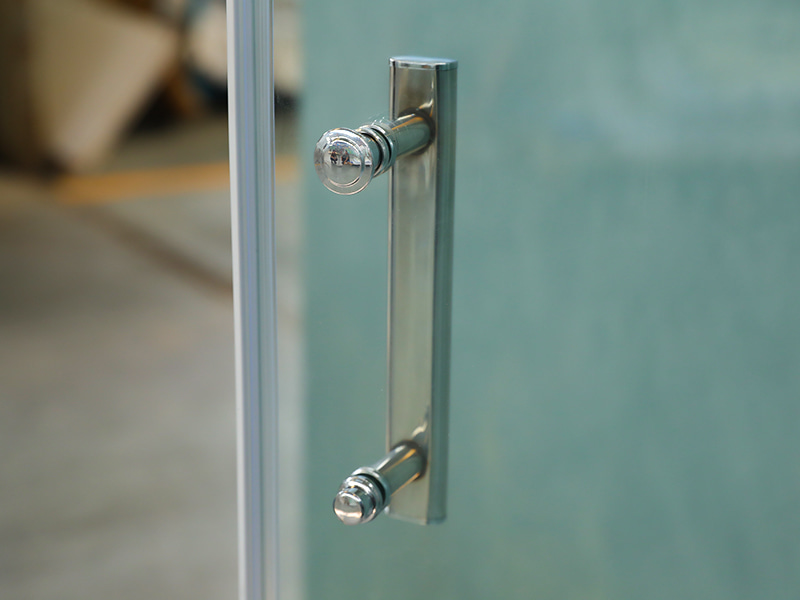 Wholesale RSQ Pivot Shower Enclosure With Double Holes Handle Suppliers, CompanyD-MAN - Wholesale Suppliers and Company of RSQ Pivot Shower Enclosure With Double Holes Handle in China, WholesaleRSQ Pivot Shower Enclos...View Product →
Specify tempered glass when you need a strong, economical and safe pane for a shower screen, door or enclosure. Specify laminated glass when the panel must stay in place after impact, when sound control is part of the brief, or when the glass is installed horizontally or overhead. For most residential and light commercial bathrooms, tempered glass covers the job at a lower cost. When the risk level demands more, tempered laminated glass combines the benefits of both in a single panel.
Mirror Above Console Table: Height, Size & Spacing Guide
Bathroom with Glass Ceiling: Ideas, Safety, and Practical Considerations
Your email address will not be published. Required fields are marked *

 Tel: +86 13967167585
 E-mail: [email protected]
Copyright 2023 Anhui D-MAN Smart Home Co., Ltd. All Rights Reserved Shower Enclosures Manufacturers Shower Room Design Custom
