


 Français
 عربى
عربى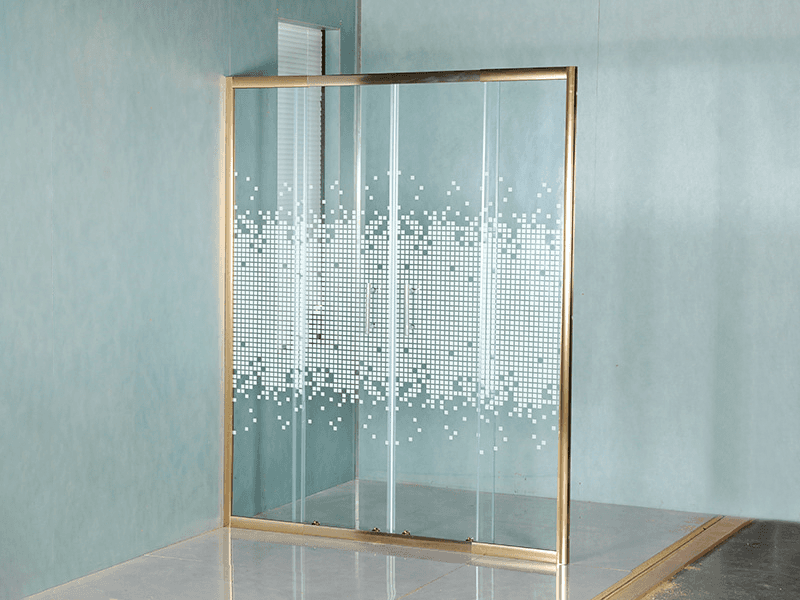
Product Consultation
Your email address will not be published. Required fields are marked *
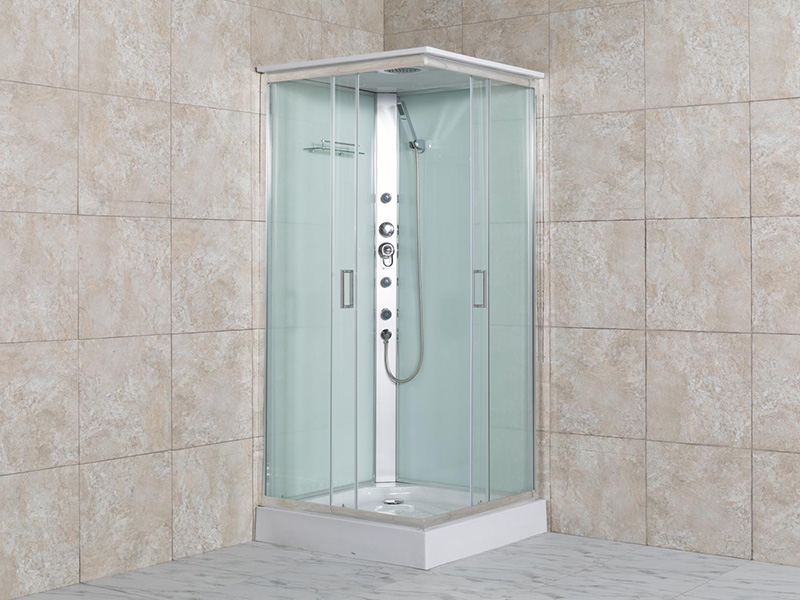
You step out of the shower and the bathroom floor is already wet. The curtain drifted inward, the edge never sealed properly, and the room stays damp for hours. A bathroom shower cubicle removes that problem entirely. It is a self-contained showering space enclosed by tempered glass panels and a supporting frame, with a door that matches the room layout. This guide covers the main types of shower cubicle, the materials that define durability, and the measurements that matter most before you order.
Content
A bathroom shower cubicle is a complete enclosure built around the showering area. It typically includes glass panels on one or more sides, an aluminum frame that holds the panels in position, a door for entry, and seals that keep water inside the wet zone. Depending on the design, it sits on a shower tray that directs water to a drain, or it runs to a floor-level channel. The term is used interchangeably with shower enclosure or shower screen in different regions, but the principle is the same: the unit creates a fixed showering space and keeps the rest of the bathroom dry.
In practical terms, a cubicle is the sum of a few standard components:
Selection should start with one decision: framed or frameless. The frame controls the price, the installation time, and the visual weight of the unit.
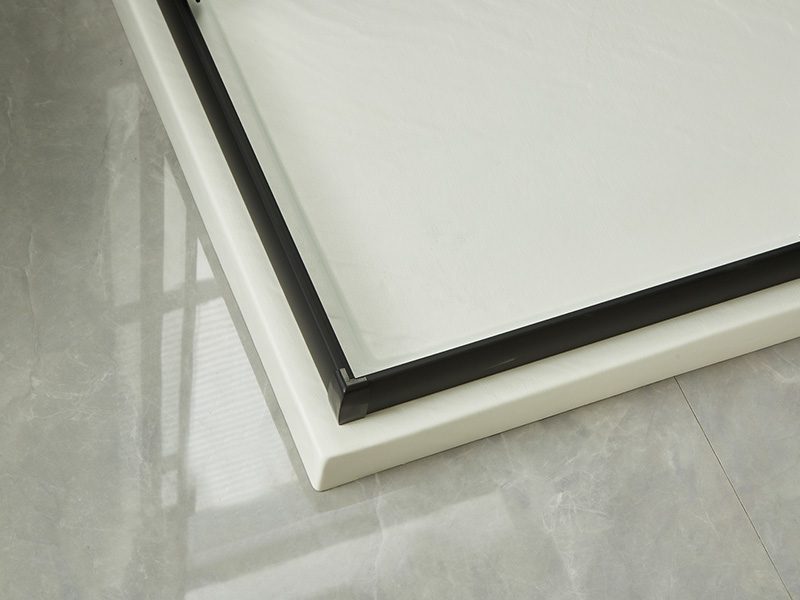
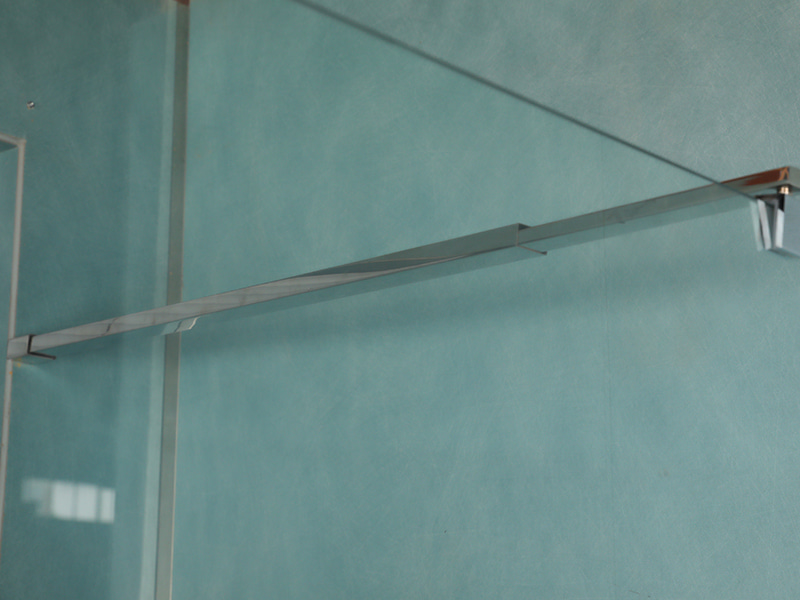
Framed cubicles use aluminum profiles on every glass edge. They install faster, cost a little less, and the frame protects the edges from impact. A black anodized frame with clear glass is the most common modern look, while chrome and gold profiles match traditional fixtures. Frameless cubicles reduce the metal to hinges and clips, giving a cleaner appearance and more natural light, but the glass must be thicker and the walls reasonably true. Semi-frameless designs keep a frame on the fixed panels and leave the door visually lighter; they are a practical answer when the wall is not perfectly vertical.
The door style comes second because it decides how the cubicle is used every day. Sliding cubicles need no outward swing, which makes them the best option for narrow bathrooms and for corners where a hinged door would hit a towel rail or toilet. A typical choice in this category is a sliding shower enclosure with a tray, which pairs clear tempered glass with a black aluminum profile and double-hole handles, and delivers the no-swing access that small bathrooms need.
 Wholesale SQ Sliding Shower Enclosusre, Clear Tempered Glass, Black Aluminium PrD-MAN - Wholesale Suppliers and Company of SQ Sliding Shower Enclosusre, Clear Tempered Glass, Black Aluminium Profile, Double Holes Hand...View Product →
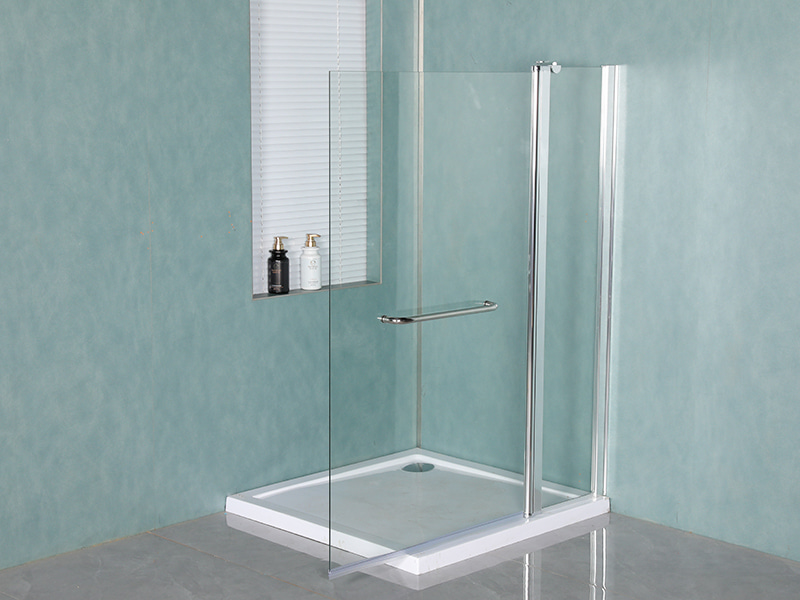
Pivot doors rotate on hinges fixed at one side. They seal better than sliding doors because the hinge edge is permanently closed, but a clearance of roughly 600 mm in front of the door is required. The classic expression of this type is a pivot shower enclosure with a tray, which combines chrome profiles, clear tempered glass, and a double-hole handle, with the tray included so the glass and floor line are designed together.
 Wholesale RSQA Pivot Shower Enclosure, Clear Tempered Glass, Chrome Aluminium PrD-MAN - Wholesale Suppliers and Company of RSQA Pivot Shower Enclosure, Clear Tempered Glass, Chrome Aluminium Profile, Double Holes Hand...View Product →
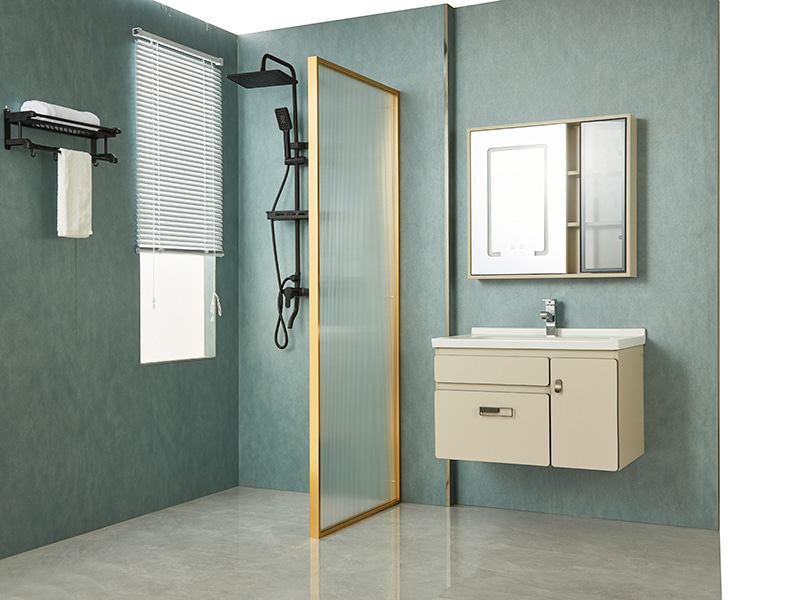
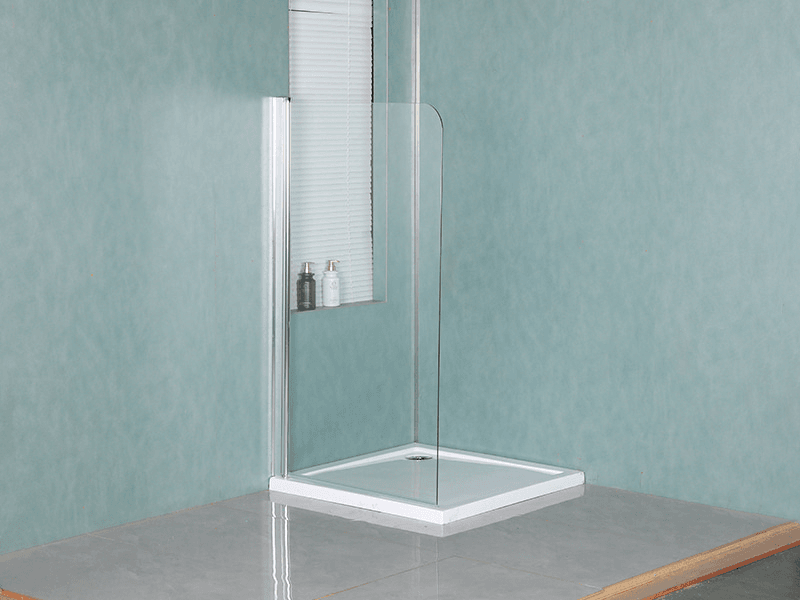
Walk-in cubicles remove the closing door entirely. One pane is fixed against the wall and the entry is either open or shielded by a narrow door panel. They feel spacious and look clean, but they rely on the tray shape and water pressure to keep water inside. For a fully enclosed alternative, a one-piece shower cabin adds a full surround and comes in ready-to-assemble models. The comfort, privacy and aesthetic focus of enclosed shower cabin design explains when this heavier configuration is worth considering.
The table below compares the four configurations that dominate most bathroom plans.
| Configuration | Frame style | Door swing needed | Best suited for |
|---|---|---|---|
| Framed sliding | Full aluminum profile | None | Small bathrooms, corner installs, budget projects |
| Framed pivot | Full aluminum profile | About 600 mm in front | Standard shower recesses, easy sealing |
| Semi-frameless sliding | Frame on fixed panels | None | Uneven walls, modern value designs |
| Frameless pivot | Minimal hinges and clips | About 600 mm in front | Open bathrooms, more natural light |
Glass is the single most expensive part, so it deserves the closest look. Tempered safety glass is the only acceptable material for a shower cubicle: when damaged, it breaks into small rounded fragments instead of sharp shards. Clear glass keeps the room open, gray glass adds privacy, and matt glass hides limescale better than a polished surface. Printed patterns sit between decoration and partition, which is useful in bathrooms that need a design element without a solid wall.
Aluminum profiles carry the structural load, and their finish decides how the unit ages. Chrome gives a bright reflective line, black anodized profiles suit modern fixtures, and gold adds warmth to beige bathrooms. Finish quality matters more than the color itself. A poor chrome layer can pit in humid air, while a properly anodized profile stays even for years, so compare the finish specification rather than just the sample appearance.
Hardware absorbs the daily mechanical load. Double-hole handles spread the pulling force across two fixing points, reducing stress on the glass edge. Rollers with aluminum or brass bearings slide smoothly and stay true, while zinc rollers tend to deform under heavy glass. The door seal also deserves attention: a good magnetic seal closes with a light pull and keeps the gap consistent from top to bottom.
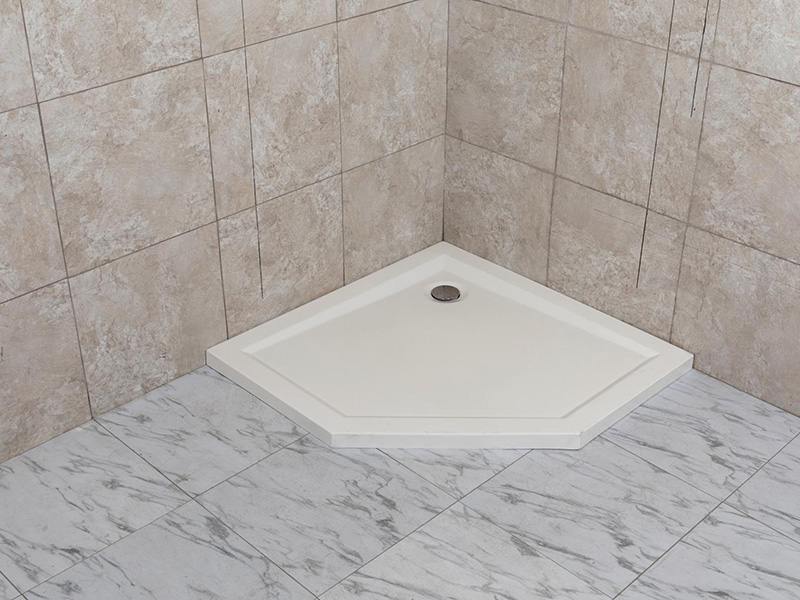
The tray does two jobs at once. It collects the water and defines the exact footprint of the cubicle. Acrylic trays dominate the market because they are light, warm to the touch, and easy to mold into almost any shape. The shape itself changes how the room behaves. Sector trays suit corner installations, arc trays soften the front line, and rectangular trays work on a straight wall run. The influence of shower tray shape on space utilization is covered in a separate industry article, and it explains why a corner layout often recovers more usable floor area than a straight configuration.
Drain position is the second layout decision. A corner drain reduces the pipe run in a corner cubicle, while a center drain matches the symmetrical line of a rectangular tray. Inside the tray, the acrylic mold builds in the slope that moves water toward the outlet, so the installer only needs to level the unit. A durable white acrylic tray holds that slope without flexing, and a tray that flexes is exactly the cause of failed wall seals and cracked tiles.
For a compact bathroom planned around a corner, a sector-shaped acrylic shower tray pairs naturally with a pivot or sliding door. Its straight edges sit flush against two walls, and the curved front leaves enough room to move without pushing the cubicle deep into the bathroom.
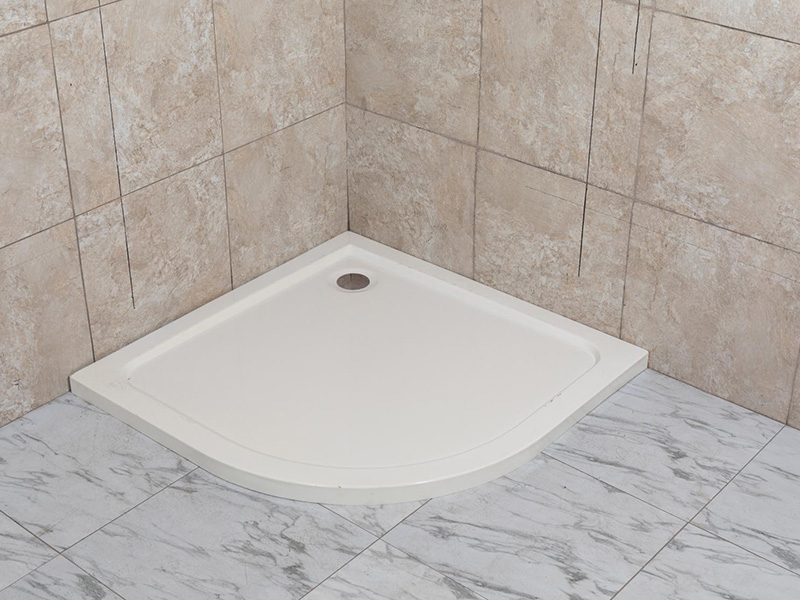 Wholesale T503 Easy Installation Sector Shape Shower Tray Suppliers, Company - AD-MAN - Wholesale Suppliers and Company of T503 Easy Installation Sector Shape Shower Tray in China, WholesaleT503 Easy Installation Sect...View Product →
Measurements prevent the most costly mistakes because a cubicle that looks right on paper can fail against a real wall. Three dimensions matter: width, depth, and height.
Two extra checks prevent a wasted delivery. Make sure the water supply and drain are located on the correct side of the cubicle, and confirm that the door swing or sliding track will not strike a toilet, towel bar, or window sill. Both checks take a few minutes with a tape measure and avoid expensive rework later.
Before ordering, review the safety and quality details rather than only the photos. Confirm that the glass is marked as tempered or carries a safety certification; a clear surface does not guarantee correct heat treatment. Check the profile thickness on the sample: a thin profile flexes when the door is pushed, while a profile of at least 1.2 mm keeps its line for years. Stainless steel screws are a small detail with a large effect, because ordinary plated screws rust and leave brown streaks on the frame.
Compare what the price actually includes. One supplier may quote the glass door only, while another includes the tray, handles, rollers, and seals. The installed product is a complete system, not a single panel, so match each quote against the full set of parts. For import orders, packaging also deserves attention: glass edges and polished profiles are the first casualties of poor freight handling, and a supplier that protects both will deliver a much smoother project.
The principle behind every good bathroom shower cubicle is simple: decide where the water should go, then keep it there. Choose the frame and door style that fit the floor plan, insist on tempered glass and corrosion-resistant hardware, measure the opening carefully, and confirm exactly what the purchase includes. Get those four things right and the result is a dry floor, a bathroom that is easy to clean, and a door that still closes smoothly years after installation.
Bathroom with Glass Ceiling: Ideas, Safety, and Practical Considerations
3/8 vs 1/2 Shower Glass: Which Thickness Is Right for Your Frameless Enclosure?
Your email address will not be published. Required fields are marked *

 Tel: +86 13967167585
 E-mail: [email protected]
Copyright 2023 Anhui D-MAN Smart Home Co., Ltd. All Rights Reserved Shower Enclosures Manufacturers Shower Room Design Custom
