


 Français
 عربى


Product Consultation
Your email address will not be published. Required fields are marked *
A glass shower box is often chosen to solve a very ordinary problem: keep water inside the shower zone while preserving an open, easy-to-clean bathroom. The buying decision is rarely settled by a catalog photo alone. Glass thickness, door movement, profile finish, tray compatibility, and wall tolerance all determine whether the finished enclosure feels solid or becomes a source of leaks, adjustments, and callbacks. The practical answer is to specify the enclosure around the installation conditions first, then choose the visual finish.
Content
A glass shower box that looks generous in a showroom can feel cramped in a real bathroom. Before comparing models, record the available width, depth, ceiling height, door swing space, and the position of the showerhead, waste outlet, and any towel rail. Measure after the wall and floor finishes are complete, or account for the final tile thickness if the site is still under construction. Take several width readings at the top, middle, and bottom, because walls are seldom perfectly plumb.
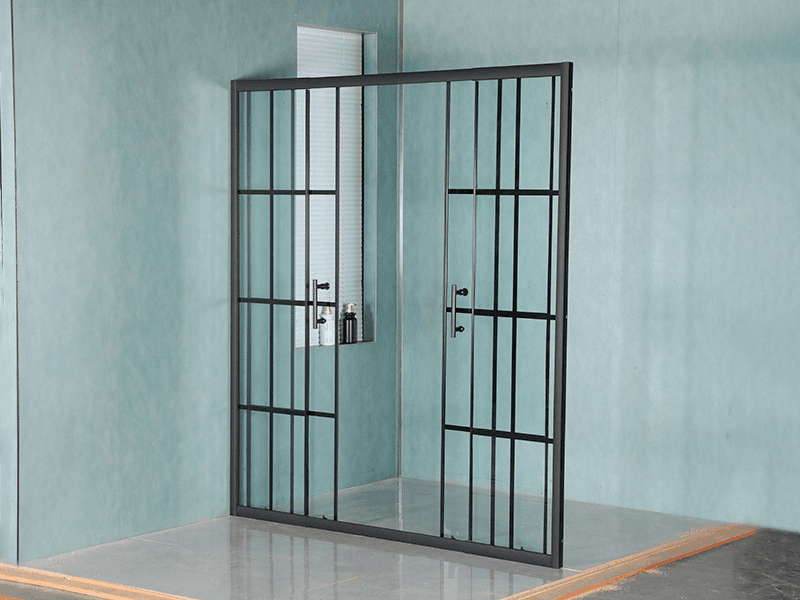
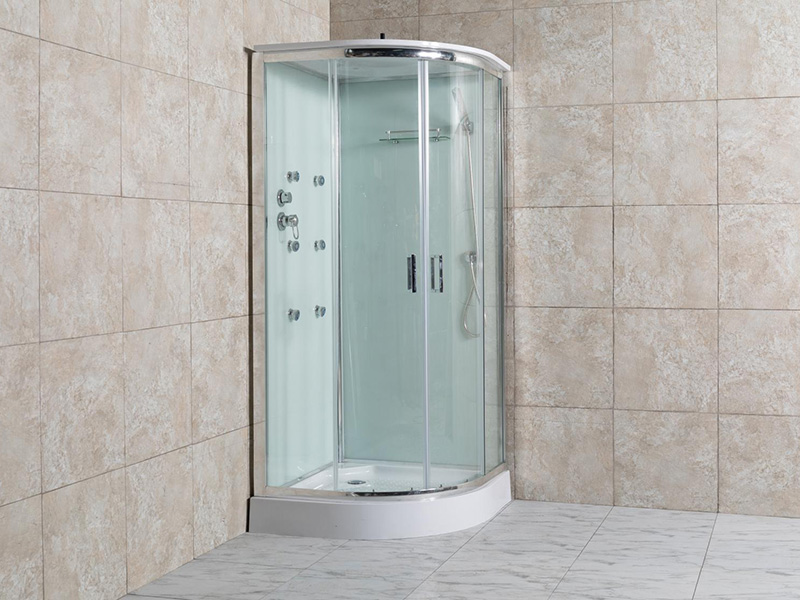
The enclosure type should follow the room rather than the other way around. A narrow alcove usually favors a sliding system because the panels travel within the footprint. A corner with free floor space can accept a pivot door, but the opening radius must be checked against the basin, toilet, or adjacent wall. A walk-in screen offers a clean look, yet it needs enough dry-floor distance to prevent splash outside the entry. For buyers sourcing multiple bathroom sizes, the manufacturer's shower enclosure range should be reviewed by opening style and tray compatibility, not just by finish color.
Tempered safety glass is the baseline for a glass shower box. It breaks into small fragments rather than large shards, which is why it is used for doors and fixed panels. In residential enclosures, 6 mm glass is often used for lighter fixed screens; 8 mm is a common balance of rigidity, weight, and cost; 10 mm gives a more substantial feel but adds load to hinges, rollers, and wall profiles. Thicker glass is not automatically better if the hardware and wall fixing were not designed for the extra weight.
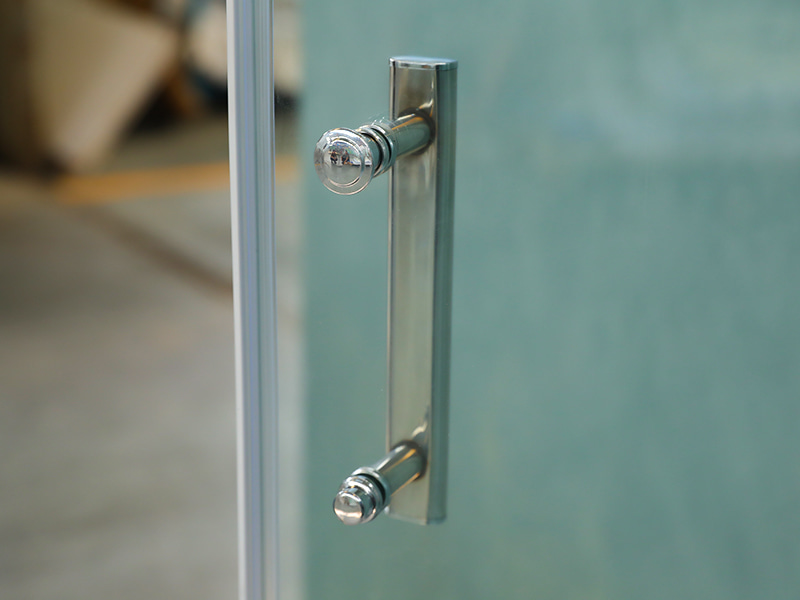
Check the glass edges, corner protection, and whether the supplier offers clear, gray, matt, or printed glass. Clear glass maximizes light, while matt or printed glass can soften visibility and reduce the appearance of water marks. For doors, the handle position and hole spacing matter as much as the handle style. A double-hole handle is common on many enclosure designs, but replacement parts must match the original drilling. Buyers should also confirm that the glass certificate, thickness tolerance, and packaging method are stated in the quotation, since these details affect both safety and after-sales claims.
Door movement is the most visible daily interaction with a shower box, and it is also where cheap hardware shows its limits. Sliding doors need clean tracks, reliable rollers, and a bottom guide that keeps the panels aligned. Pivot doors need solid hinges and enough clearance for the sweep. Fixed screens remove moving parts but require careful entry planning. The table below gives a practical comparison for buyers reviewing several bathroom layouts.
| Configuration | Best fit | Door movement | Checks before order |
|---|---|---|---|
| Sliding glass shower box | Narrow bathrooms and alcoves where outward swing is limited | Panels slide along top and bottom tracks | Track clearance, roller quality, bottom guide, cleaning access |
| Pivot or hinged enclosure | Corners and alcoves with free floor space near the door | Door swings inward or outward on hinges | Hinge side, opening radius, wall reinforcement, seal contact |
| Walk-in or fixed screen | Open bathroom layouts with a defined dry zone | Fixed glass with an open entry | Entry width, screen length, floor slope, splash distance |
| Bath shower screen | Shower over an existing bathtub | Fixed panel or sliding panel above the tub rim | Tub rim level, wall lean, seal shape, screen height |
For compact projects, a sliding enclosure with a tray is often the simplest specification because the door does not intrude into the room. A representative option is the square sliding glass shower enclosure with a tray, which shows how frame, glass, and tray are combined as one purchasing unit.
 Square Sliding Glass Shower Enclosure with TrayA compact-friendly sliding enclosure with clear tempered glass, chrome aluminium profile, double-hole handle and included tray; the sliding door avoids intruding into the room.View Product →
Where the bathroom has more floor clearance, a pivot enclosure can provide a wider opening and a more traditional feel. The important check is the hinge side and the sweep of the door, not only the closed footprint.
 RSQ Pivot Shower Enclosure with Double-Holes Handle and TrayA pivot enclosure with clear tempered glass, chrome aluminium profile, double-holes handle and tray, suited to bathrooms where hinge side and door sweep are checked.View Product →
For a bathtub installation, a one-fixed and one-sliding shower screen keeps the shower area protected without rebuilding the whole bathroom layout.
Most leaks in a glass shower box begin at transitions: wall to profile, profile to tray, glass to glass, and door to fixed panel. The profile finish is visible, but its section shape and fixing method are more important. Chrome, black, gold, and white aluminum profiles can match different bathroom schemes, yet the wall channel should allow a sensible adjustment range and should be sealed with a suitable silicone rather than grout. Magnetic strips, flexible sweeps, and corner seals should be replaceable, because these are the parts that wear first.
Water containment also depends on the tray and floor slope. A flat tray with a shallow lip may be fine in a careful installation, but a shower zone with a strong slope or a poor waste position can push water toward the opening. For opening enclosures, cleaning products should be chosen carefully so that seals and metal finishes are not attacked; the guidance on choosing a safe cleaner for opening shower enclosures is useful for reducing avoidable maintenance complaints.
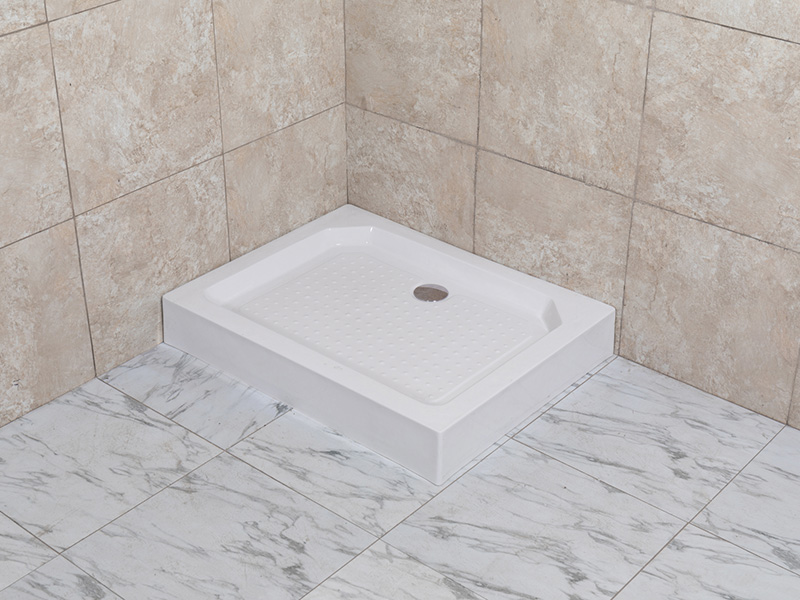
A glass shower box and its tray should be treated as a system. The tray must sit level, the waste must be accessible, and the enclosure profile must land on the tray rim rather than overhang it. Curved, sector, square, and corner-drain trays have different usable standing areas, so the shower tray shape affects both comfort and door position. If the tray is not level, the glass panels may appear twisted and the door may swing or slide unevenly.
Good installation tolerance is not a substitute for accurate measurement, but it does reduce site risk. Before production, confirm the adjustment range of wall profiles, the minimum and maximum opening width, and whether the supplier includes a template or installation drawing. For export orders, packaging should protect glass edges and hardware separately, and the carton should identify the model, glass type, profile finish, and handing. A missing seal or a wrongly drilled handle can stop an entire container from being installed.
For importers, distributors, and private-label buyers, a glass shower box order should be specified in writing before samples are approved. Use a checklist that reflects what installers and after-sales teams actually need:
OEM and ODM projects also benefit from a clear sample approval record. Photos of the approved glass, profile color, handle, and seal set prevent disputes later. The supplier should be able to work from drawings or samples and confirm which parts are standard and which are project-specific. This is particularly important when a buyer plans to sell the same glass shower box through several channels or under more than one brand.
Regular maintenance extends the working life of a glass shower box more than occasional deep cleaning. Rinse and squeegee glass after showering, keep track channels free of hair and soap residue, and check door seals for hardening or mold. Avoid abrasive pads on glass and aggressive cleaners on aluminum profiles or plated handles. If a roller becomes noisy or a door no longer closes squarely, replace the worn part before the glass or frame carries unnecessary stress.
The best buying decision is the one that matches the room, the installation team, and the after-sales plan. A well-specified glass shower box does not need to be complicated; it needs consistent glass, hardware that suits the door weight, a tray that fits the footprint, and clear installation information. When those points are settled before the order is placed, the finished enclosure is more likely to stay quiet, dry, and easy to live with.
Your email address will not be published. Required fields are marked *

 Tel: +86 13967167585
 E-mail: [email protected]
Copyright 2023 Anhui D-MAN Smart Home Co., Ltd. All Rights Reserved Shower Enclosures Manufacturers Shower Room Design Custom
