


 Français
 عربى
عربى
Product Consultation
Your email address will not be published. Required fields are marked *
Content
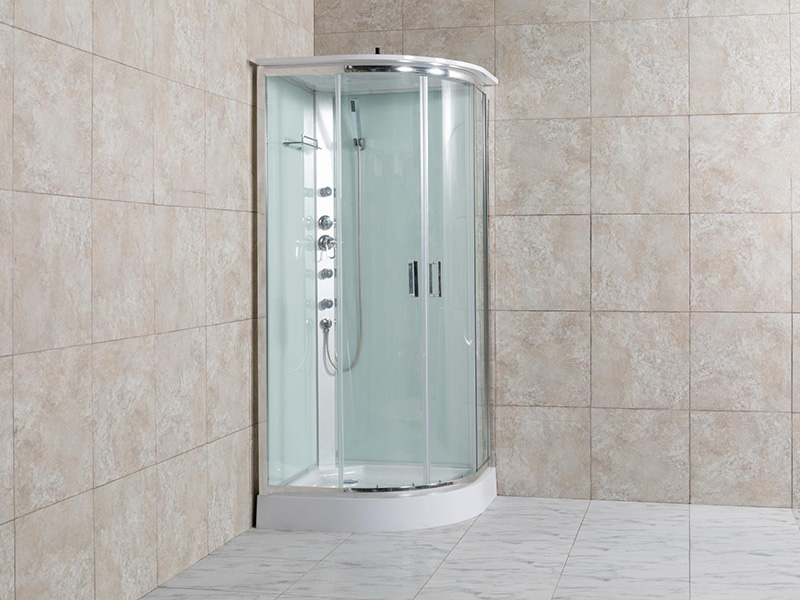
Modern shower cabins blend mechanical engineering, material science, and human-centered design to deliver a safe, comfortable, and efficient washing experience. Engineering comfort goes beyond aesthetics: it focuses on predictable water control, thermal comfort, acoustic performance, ease of use, and long-term durability. This article explains the core technologies and practical design choices that make a shower cabin perform well for real users and real bathrooms.
A high-quality shower cabin is a system of interdependent components. The choice of materials affects stiffness, corrosion resistance, thermal behavior, and maintenance intervals. Typical engineered materials include tempered safety glass, anodized aluminum or stainless-steel framing, composite acrylic bases, and polymer seals that resist hard water. Each material is selected for properties such as modulus of elasticity, resistance to surface wear, and compatibility with cleaning agents.
Tempered glass is standard for safety—if it breaks it fractures into small blunt pieces. Frame profiles are engineered to distribute loads and reduce vibration; thicker extrusion walls and precision corners lower rattles and extend seal life. Corrosion-resistant finishes and sacrificial anodes in coastal installations prevent galvanic decay over time.
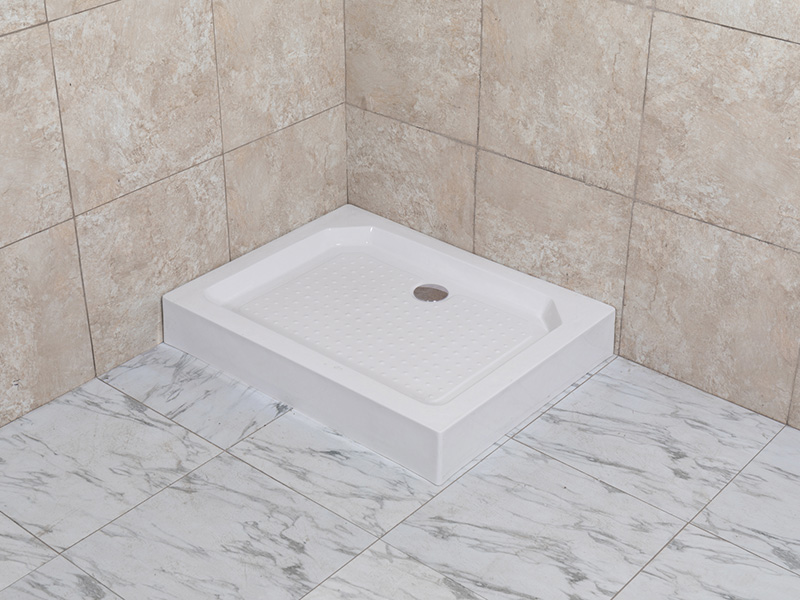
Effective water management is the foundation of a well-engineered shower cabin. Engineers design slopes and thresholds to channel water to drains and avoid pooling. Seals are selected and profiled to maintain performance under thermal cycling and repeated movement of doors. Key sealing techniques include double-lipped EPDM gaskets, magnetic door seals for frameless designs, and low-profile thresholds that balance accessibility with splash control.
A typical approach is to design the base with a minimum slope of 1–2% towards a centrally placed linear or point drain. Linear drains paired with removable stainless-steel grates simplify cleaning and reduce the chance of standing water. Where retrofits are required, adjustable curb details can be engineered to preserve slope without invasive work.
Safety features are engineered into modern cabins to protect users and comply with codes. Anti-scald thermostatic mixers, slip-resistant floor textures, and integrated grab points contribute to safe operation. Accessibility features—low thresholds, hinged or sliding doors with wide clearances, and lever-style handles—support universal design principles.
Thermostatic valves sense incoming hot and cold pressures and maintain a stable outlet temperature even when supply pressures fluctuate. This control reduces temperature shocks and improves perceived comfort. For high-performance cabins, valve response time and fail-safe cutoffs are specified to meet relevant safety standards.
Comfort is multi-dimensional. Engineers address thermal comfort by minimizing drafts and optimizing water atomization patterns for even heat distribution. Acoustic comfort—reducing noise from water impact, pumps, and drainage—uses isolation mounts, thicker wall panels, and tuned cavity fillings. Sensory features like adjustable spray modes, steam function integration, and anti-fog coatings further elevate the bathing experience.
Efficiency technologies reduce operating costs and environmental impact. Flow restrictors, pressure-compensating cartridges, and aerating shower heads lower water use without harming the experience. For cabins with active features—pumps, lights, or steam—designers prioritize efficient motors, standby power management, and sealed electronics to minimize losses.
| Feature | Benefit | Typical Impact |
| Flow restrictor | Reduces gallons per minute | Saves water & energy |
| Thermostatic valve | Stable temperature | Improves safety |
| Anti-fog coating | Clear visibility after steam | Better user experience |
Durable engineering reduces total cost of ownership. Proper installation—accurate leveling, verified slope to drain, and correct seal compression—prevents leaks and premature failures. Maintenance plans should include periodic seal inspection, drain cleaning, and hardware lubrication. Predictive maintenance using simple sensors (moisture detection near seals, flow anomalies) can flag issues early and avoid costly repairs.
When choosing a cabin, specify measurable performance criteria: maximum allowable leakage rate, slip-resistance coefficient, thermostat response time, and ease of service. Request product datasheets that quantify materials, warranty terms, and maintenance requirements. For installations in high-use environments (gyms, hotels), favor heavy-duty profiles and replaceable wear parts.
Engineering comfort in shower cabins is a practical, measurable discipline. By focusing on materials, water management, safety controls, and maintainability, designers can deliver cabins that feel luxurious while remaining efficient and durable. For buyers and specifiers, insist on documented performance and clear service paths—those are the signals of responsible engineering that translate into everyday comfort.
How does the material of bathroom mirrors affect their lifespan?
What details should be considered before installing a sliding shower enclosure?
Your email address will not be published. Required fields are marked *

 Tel: +86 13967167585
 E-mail: [email protected]
Copyright 2023 Anhui D-MAN Smart Home Co., Ltd. All Rights Reserved Shower Enclosures Manufacturers Shower Room Design Custom
