


 Français
 عربى
عربى
Product Consultation
Your email address will not be published. Required fields are marked *
Decorative wall mirrors serve dual purposes in interior design, functioning as both practical reflective surfaces and striking visual elements that transform spatial perception. These versatile design features amplify natural light, create illusions of expanded space, and serve as focal points that anchor room aesthetics. Understanding the diverse range of mirror designs, their strategic placement, and compatibility with various decorating styles enables homeowners to maximize both functional and aesthetic benefits.
Content
The frame surrounding a decorative mirror fundamentally determines its visual impact and style compatibility. Traditional ornate frames featuring carved wood with gilded finishes complement classical and Victorian interiors, while sleek metal frames in brushed nickel, brass, or matte black align with contemporary and industrial aesthetics. Frameless mirrors with beveled or polished edges offer minimalist sophistication suitable for modern spaces where clean lines predominate.
Wood frames present extensive customization possibilities through various species, stains, and finishes. Reclaimed barnwood frames introduce rustic character with weathered textures and natural patina, ideal for farmhouse and cottage-style interiors. Walnut and mahogany frames deliver rich, warm tones that enhance traditional settings, while painted wood frames in white, gray, or pastels provide versatility across transitional design schemes.
Metal-framed mirrors have evolved beyond simple borders to include intricate geometric patterns, sunburst designs, and industrial cage-style surrounds. Brass and gold-toned metals add warmth and luxury, particularly effective in Art Deco and glamorous interiors. Iron and steel frames offer durability and visual weight appropriate for masculine or industrial-themed spaces. The metal finish—whether polished, brushed, antiqued, or powder-coated—significantly influences the overall aesthetic impact.
| Frame Material | Best Suited Styles | Maintenance Level |
| Ornate Carved Wood | Traditional, Victorian, Baroque | Moderate to High |
| Reclaimed Wood | Rustic, Farmhouse, Cottage | Low |
| Metal (Brass/Gold) | Art Deco, Glam, Contemporary | Low to Moderate |
| Frameless Beveled | Modern, Minimalist, Scandinavian | Very Low |
| Rattan/Wicker | Bohemian, Coastal, Tropical | Moderate |
Mirror placement profoundly affects both functionality and aesthetic impact within a space. Positioning mirrors opposite windows maximizes natural light reflection, effectively brightening rooms and creating perceived depth. This technique proves particularly valuable in north-facing rooms or spaces with limited fenestration. However, avoid placing mirrors directly opposite beds in bedrooms, as reflected movement can disrupt sleep quality and create visual discomfort.
Entryway mirrors serve practical functions while establishing first impressions of home interiors. Full-length mirrors positioned near entry doors enable final appearance checks before departure, while decorative mirrors above console tables create welcoming focal points. Consider installing mirrors at heights that accommodate all household members—typically positioning the center at 57-65 inches from the floor aligns with average eye level.
Hallway mirrors combat the tunnel effect common in narrow corridors by visually widening spaces. Installing mirrors on longer walls creates horizontal expansion, while placement on shorter end walls generates depth perception. Gallery-style arrangements featuring multiple smaller mirrors provide visual interest without overwhelming limited wall space, allowing for creative compositions that reflect personal style.
Dining room mirrors amplify candlelight and create intimate ambiance during evening meals. Large statement mirrors positioned above buffets or sideboards reflect table settings and floral arrangements, multiplying decorative impact. Ensure mirrors reflect appealing views rather than kitchen doorways or utility areas that detract from dining atmosphere. The mirror width should generally span 50-75% of the furniture width beneath it to maintain visual proportion.
Mirror shapes communicate distinct aesthetic messages and influence spatial perception differently. Rectangular and square mirrors provide traditional versatility, complementing furniture lines and architectural features while offering practical full-body reflection capabilities. Vertical rectangles elongate walls and draw eyes upward, beneficial in rooms with low ceilings, while horizontal orientations emphasize width in narrow spaces.
Round and oval mirrors introduce softness that counterbalances angular furniture and architectural elements. These organic shapes work exceptionally well in bathrooms, bedrooms, and above curved furniture pieces like demilune tables. Circular mirrors ranging from 24 to 40 inches diameter serve as striking focal points without overwhelming wall space, while smaller groupings of round mirrors create dynamic compositions reminiscent of bubbles or celestial bodies.
Irregular and asymmetric mirror shapes inject contemporary artistic flair into interiors. Free-form organic shapes evoke natural elements like water droplets or river rocks, particularly effective in spa-inspired bathrooms and nature-themed spaces. Geometric irregular shapes including hexagons, octagons, and abstract polygons align with mid-century modern and contemporary design sensibilities, often serving as standalone art pieces.
Living room mirror designs should scale appropriately with furniture and architectural proportions. Above-sofa mirrors typically measure 50-75% of sofa width, creating balanced visual weight without overwhelming seating areas. Leaning floor mirrors positioned in corners maximize light reflection while maintaining flexibility for rearrangement. Oversized mirrors spanning floor to ceiling create gallery-like sophistication, particularly effective in minimalist or contemporary settings where they function as architectural elements.
Bedroom mirrors require careful consideration of reflection angles and lighting interactions. Wardrobe mirrors integrated into closet doors provide functional full-body views while conserving wall space. Vanity mirrors benefit from adjustable tilting mechanisms and surrounding task lighting that eliminates shadows during grooming activities. Consider installing mirrors on closet interior doors rather than bedroom walls to minimize reflections during rest periods while maintaining accessibility.
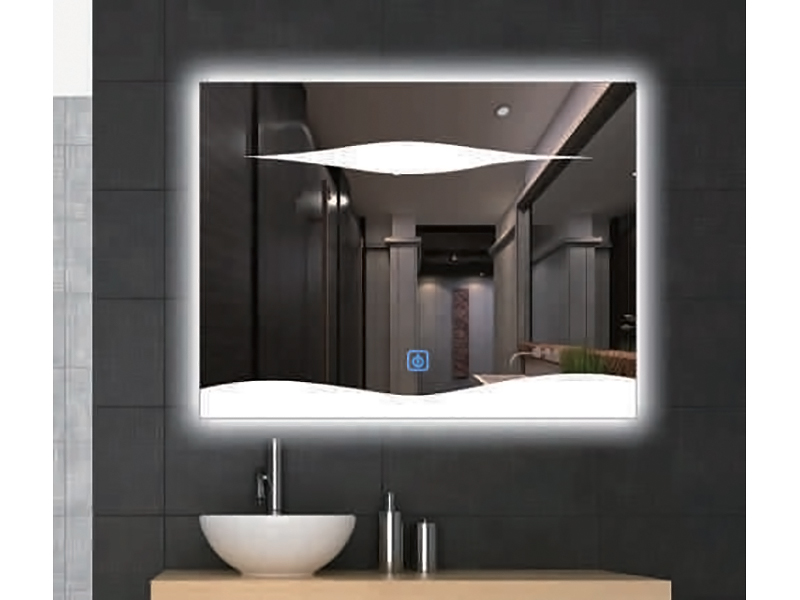
Bathroom mirrors must withstand high humidity while providing adequate reflection for grooming tasks. Frameless mirrors with sealed edges resist moisture penetration better than wood-framed alternatives in steamy environments. Backlit LED mirrors offer integrated task lighting while creating ambient glow that enhances relaxation. Medicine cabinet mirrors serve dual purposes, concealing storage while maintaining clean aesthetic lines in compact bathrooms.
Kitchen mirrors serve primarily decorative rather than functional roles, as practical concerns limit placement near cooking areas where grease and splatter accumulate. Consider installing mirrors in breakfast nooks or dining zones adjacent to kitchens, where they enhance natural light without exposure to cooking residue. Antique mirror tiles used as backsplashes in dry bars or coffee stations introduce vintage glamour while remaining practical to clean.
Gallery-style mirror arrangements create customized focal points that reflect personal aesthetic preferences. Symmetrical grid layouts featuring identical mirrors generate formal, organized impressions suitable for traditional and transitional interiors. Plan grid arrangements on paper first, ensuring consistent spacing between mirrors—typically 2-4 inches creates cohesive groupings without visual crowding. Use painter's tape to mark wall positions before installing permanent hardware.
Asymmetric organic arrangements allow creative expression through varied mirror sizes, shapes, and frame styles. Begin with a largest anchor mirror positioned slightly off-center, then build outward with progressively smaller mirrors that balance visual weight. Maintain unifying elements like consistent frame finishes or complementary shapes to prevent chaotic appearance. This approach works particularly well in eclectic, bohemian, and contemporary casual interiors.
Mixed media gallery walls combine mirrors with artwork, photographs, and three-dimensional objects for maximum visual interest. Mirrors interspersed among framed art pieces add depth dimension while reflecting portions of surrounding artwork, creating dynamic interactions as viewing angles change. Ensure mirrors reflect intentional views rather than random wall sections that contribute little aesthetic value.
Authentic antique mirrors display characteristic foxing—dark spots caused by deteriorating silver backing—that contributes to their vintage charm and authenticity. These imperfections differentiate genuine aged mirrors from artificially distressed reproductions, adding historical character valued in traditional and shabby-chic interiors. Antique mercury glass mirrors exhibit distinctive cloudy or smoky appearance resulting from mercury-amalgam silvering processes used before modern aluminum coating methods.
Victorian-era mirrors often feature elaborate carved frames with motifs including acanthus leaves, scrollwork, and floral garlands. These ornate pieces serve as investment-quality focal points that anchor traditional room designs. Authentic antique frames show signs of age including minor chips, worn gilding, and patina development that enhance rather than diminish value. Restoration should preserve original character rather than attempt perfect refinishing that eliminates historical authenticity.
Mid-century modern mirrors from the 1950s-1970s showcase clean lines, organic shapes, and innovative materials including teak, rosewood, and brass. Signature designs from this era include asymmetric free-form shapes, starburst frames, and geometric compositions that remain highly collectible. These pieces integrate seamlessly into contemporary interiors while providing authentic vintage focal points that distinguish spaces from mass-produced contemporary alternatives.
Proper installation ensures mirror safety and longevity while preventing wall damage. Heavy mirrors weighing over 50 pounds require installation directly into wall studs using appropriate weight-rated hardware. Locate studs using electronic stud finders, marking positions with pencil before drilling pilot holes. Use wood screws driven into studs rather than relying solely on drywall anchors, which may fail under sustained weight.
French cleats provide secure mounting for large heavy mirrors while allowing easy removal for cleaning or rearrangement. This two-piece system features interlocking beveled edges—one mounted to the wall, the other to the mirror back—that distribute weight evenly across mounting points. French cleats accommodate minor leveling adjustments during installation and prove particularly valuable for mirrors lacking integrated hanging hardware.
Adhesive mounting strips offer damage-free installation suitable for rental properties and temporary arrangements. These products support surprising weight capacities when properly applied to clean, smooth wall surfaces. However, they prove less reliable on textured walls or in high-humidity environments where adhesive bonds may weaken over time. Reserve adhesive mounting for lighter mirrors under 20 pounds where permanent installation isn't required.
Strategic lighting placement transforms decorative mirrors from passive reflective surfaces into active light-distributing elements. Sconces mounted flanking mirrors create balanced illumination while adding architectural symmetry. Position sconces 60-65 inches from floor level at eye height to minimize unflattering shadows during grooming activities. Use warm LED bulbs in the 2700-3000 Kelvin range to create flattering, natural-appearing illumination.
Overhead lighting positioned to illuminate mirror surfaces without creating glare requires careful angle consideration. Recessed ceiling fixtures should direct light slightly forward of mirror surfaces rather than directly onto them, preventing harsh reflections that compromise visibility. Picture lights mounted above decorative mirrors highlight frame details while providing ambient illumination, particularly effective for ornate antique mirrors deserving showcasing.
Backlit mirrors featuring integrated LED strips create contemporary floating effects while providing shadow-free illumination. These designs work exceptionally well in modern bathrooms and dressing areas where task lighting proves essential. Dimmable LED systems allow adjustment from bright functional lighting to soft ambient glow suitable for relaxation, maximizing versatility across different usage scenarios.
Proper mirror cleaning maintains optical clarity and prevents damage to reflective coatings. Use microfiber cloths slightly dampened with distilled water or specialized glass cleaner, avoiding harsh chemicals that may deteriorate silvering or damage frame finishes. Spray cleaning solutions onto cloths rather than directly onto mirrors to prevent liquid seepage behind glass that causes black edge deterioration and silvering separation.
Wood frame maintenance varies by finish type and environmental conditions. Dust carved details regularly using soft brushes that access crevices without scratching surfaces. Apply furniture polish or wax to natural wood finishes annually to maintain luster and provide moisture protection. Gilded frames require gentle dusting only—never apply liquid cleaners or polishes that may dissolve delicate gold leaf applications.
Inspect mounting hardware annually to ensure continued security, particularly for heavy mirrors or those in high-traffic areas subject to vibration. Tighten loose screws immediately upon detection to prevent progressive wall damage or potential mirror falls. Check for moisture damage on bathroom mirror backs, addressing any deterioration promptly to prevent spreading. Proper ventilation and exhaust fan usage minimize humidity exposure that accelerates mirror backing degradation.
Affordable decorative mirrors need not compromise aesthetic impact when selected and styled strategically. Frameless beveled mirrors from home improvement retailers provide clean modern aesthetics at accessible price points. Enhance basic mirrors through DIY framing projects using purchased molding or repurposed architectural salvage, creating custom appearances at fractions of designer mirror costs. Paint or stain plain wood frames to match existing decor, transforming generic mirrors into coordinated design elements.
Thrift stores, estate sales, and online marketplaces offer vintage mirrors at substantial discounts compared to reproduction pieces. Minor frame damage often responds well to simple repairs, while outdated finishes transform through painting or refinishing. Replace deteriorated mirror glass in quality vintage frames to preserve character while ensuring optimal reflection quality. This approach yields unique pieces with authentic patina impossible to replicate in new production.
Multiple small inexpensive mirrors arranged gallery-style create significant visual impact rivaling single large designer pieces. Dollar stores and discount retailers stock basic mirrors suitable for creative arrangements when unified through consistent framing treatments or spray-painted finishes. This strategy allows budget-conscious homeowners to achieve designer aesthetics through creative composition rather than expensive individual purchases.
Is a glass shower partition suitable for a small bathroom?
Shower Door Sliding: Installation, Maintenance & Troubleshooting Guide
Your email address will not be published. Required fields are marked *

 Tel: +86 13967167585
 E-mail: [email protected]
Copyright 2023 Anhui D-MAN Smart Home Co., Ltd. All Rights Reserved Shower Enclosures Manufacturers Shower Room Design Custom
