


 Français
 عربى
عربى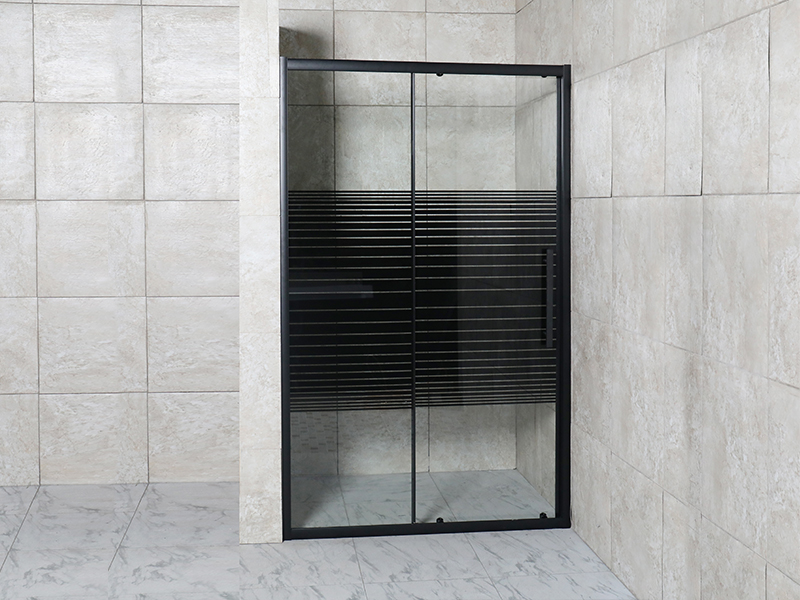
Product Consultation
Your email address will not be published. Required fields are marked *
Content
Bathrooms with glass walls represent a modern design approach that maximizes natural light, creates visual spaciousness, and delivers a luxurious spa-like atmosphere. These transparent or translucent enclosures can increase the perceived bathroom size by 30-50% compared to traditional opaque walls, making them particularly valuable in smaller homes or urban apartments.
Glass wall installations range from full floor-to-ceiling panels separating the shower area to entire bathroom enclosures within master bedroom suites. The concept gained popularity in boutique hotels and high-end residences, with residential installations increasing by 45% between 2020 and 2024 according to bathroom remodeling industry reports.
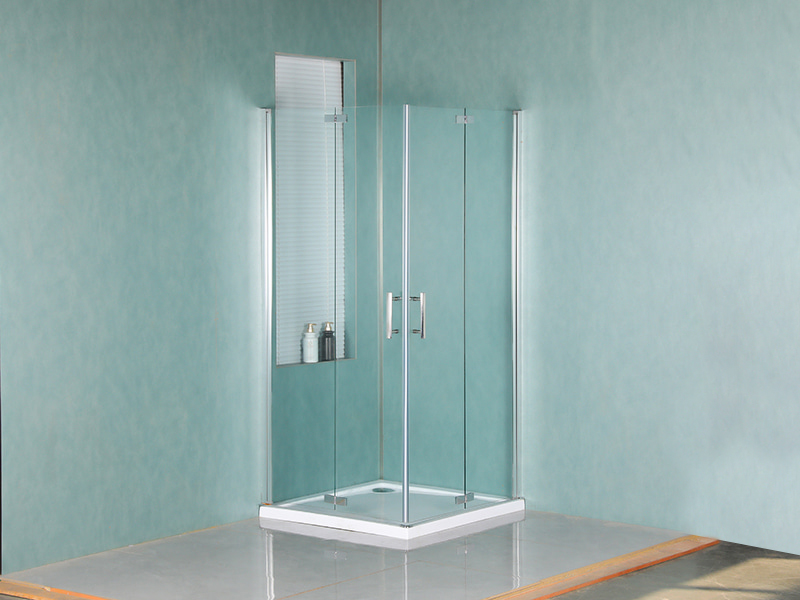
Common applications include shower enclosures with frameless glass walls, glass partitions between bathroom and bedroom spaces, glass-walled wet rooms, and decorative accent walls using glass blocks or textured glass panels. The design works best in contemporary, minimalist, or industrial-style homes where clean lines and open concepts are prioritized.
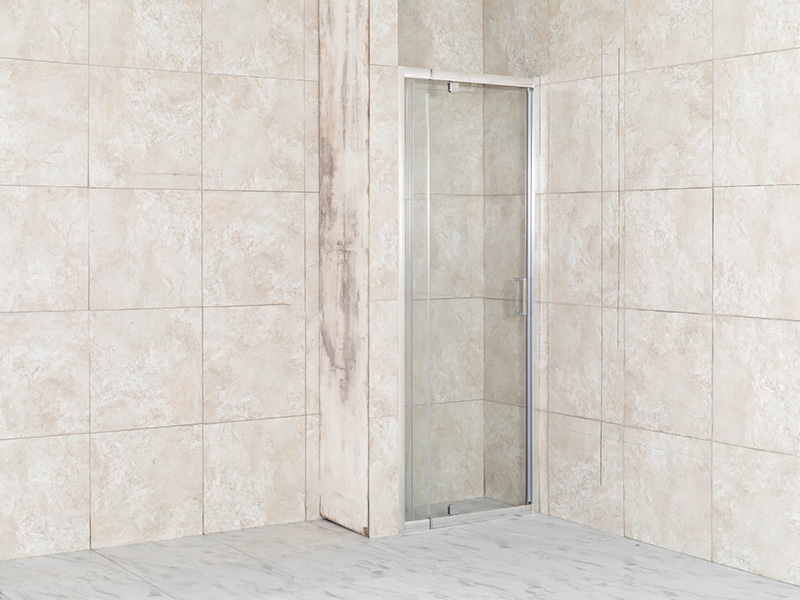
Full-height glass walls create dramatic shower spaces without the visual interruption of partial walls or curtains. These installations typically use 3/8-inch to 1/2-inch tempered glass mounted with minimal hardware, extending from floor to ceiling or stopping 6-12 inches below the ceiling for ventilation. The seamless appearance makes bathrooms feel significantly larger while containing shower spray effectively.
Open-concept suites increasingly feature glass walls separating bathroom and sleeping areas, particularly in hotel-inspired designs. These partitions allow natural light to flow between spaces while maintaining spatial definition. Smart glass options (electrochromic or switchable privacy glass) enable users to toggle between clear and opaque states, offering flexibility at a premium price of $100-$150 per square foot installed.
Glass blocks provide a middle ground between full transparency and privacy, offering light transmission while obscuring clear views. Standard 8x8-inch blocks cost $5-$15 each, with installation running $25-$75 per square foot. These work well for shower walls, bathroom entryways, or as decorative accent features in contemporary and retro-modern designs.
European-style wet rooms use glass walls to separate the shower zone from dry areas within a fully waterproofed bathroom. The glass barrier contains water while maintaining visual continuity. This design requires proper floor drainage and waterproofing across the entire bathroom, adding $2,000-$5,000 to standard bathroom construction costs.
Privacy concerns represent the primary hesitation homeowners express about glass wall bathrooms. Multiple solutions address this issue while maintaining the aesthetic and functional benefits of glass construction.
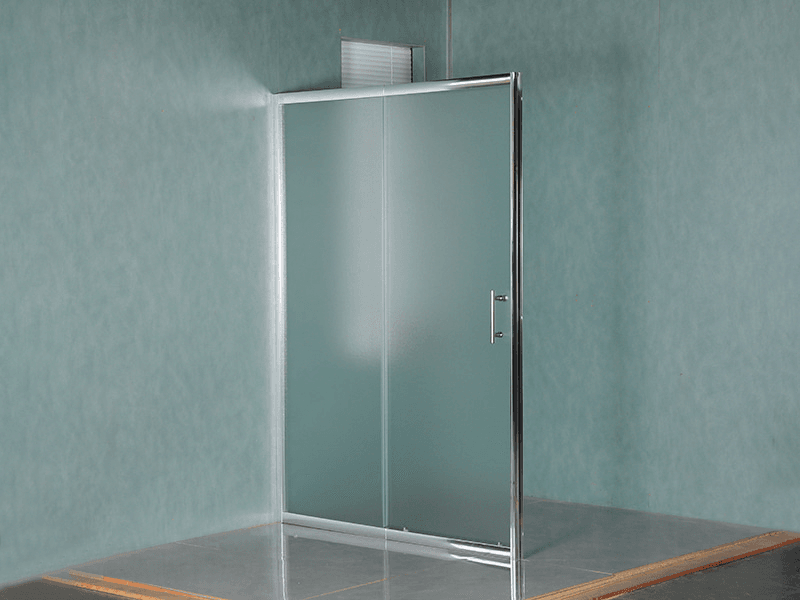
Frosted glass obscures visibility while transmitting 60-80% of natural light, making it ideal for situations requiring permanent privacy. Acid-etched frosting provides a smooth, permanent finish, while sandblasted glass offers texture variation. Textured patterns including rain glass, reeded glass, and geometric designs add visual interest while preventing clear sightlines.
Switchable privacy glass transforms from transparent to opaque via electrical current, controlled by wall switches, remotes, or smartphone apps. PDLC (Polymer Dispersed Liquid Crystal) technology is the most common, switching in under one second. While expensive at $100-$150 per square foot installed, smart glass eliminates the need for window treatments and provides instant privacy control.
Thoughtful bathroom layout can minimize privacy concerns without sacrificing glass wall benefits. Position toilets and bidets behind partial walls or in separate water closets, use frosted glass only where needed while keeping shower glass clear, or orient glass walls toward private outdoor spaces rather than neighboring properties. Many homeowners use clear glass for shower enclosures within the bathroom while employing frosted glass for bedroom-bathroom partitions.
Installing glass walls requires careful planning, structural assessment, and professional expertise. Unlike standard drywall construction, glass installations demand precise measurements and specialized mounting systems.
Glass panels weighing 12-20 pounds per square foot for standard 1/2-inch tempered glass require adequate structural support. Floor-to-ceiling installations typically need reinforced framing or structural steel channels for proper load distribution. Existing bathrooms may require floor joist reinforcement if supporting large glass panels, particularly for wet room designs where water weight adds additional load.
Proper waterproofing prevents water damage and mold growth in glass-walled bathrooms. Critical elements include:
Glass-walled bathrooms require enhanced ventilation to prevent condensation buildup and maintain air quality. Standard exhaust fans should provide 1 CFM per square foot of bathroom area, with minimum 50 CFM capacity. For enclosed glass shower areas, consider dedicated in-shower extraction fans or increase overall ventilation capacity by 30-40% compared to traditional bathrooms.
Glass wall installation typically requires 3-7 days depending on complexity. Simple frameless shower enclosures take 1-2 days, while full bathroom glass wall systems with custom fabrication need 5-7 days. Factor in 2-4 weeks for custom glass fabrication before installation begins. Wet room conversions with complete waterproofing may extend to 10-14 days total.
Glass wall bathroom projects represent significant investments, with costs varying based on glass type, size, hardware quality, and installation complexity. Understanding the complete financial picture helps homeowners make informed decisions.
| Glass Wall Type | Material Cost (per sq ft) | Installation Cost (per sq ft) | Total Cost Range |
|---|---|---|---|
| Standard Clear Glass | $35-$60 | $40-$75 | $75-$135/sq ft |
| Frosted/Textured Glass | $45-$75 | $40-$75 | $85-$150/sq ft |
| Low-Iron (Ultra-Clear) | $65-$95 | $45-$80 | $110-$175/sq ft |
| Smart Glass (Switchable) | $75-$110 | $25-$40 | $100-$150/sq ft |
| Glass Block Walls | $15-$35 | $25-$75 | $40-$110/sq ft |
Additional costs include structural modifications ($500-$3,000), enhanced waterproofing ($1,000-$2,500), upgraded ventilation systems ($300-$1,200), and electrical work for smart glass ($400-$800). Budget an extra 15-20% contingency for unforeseen issues discovered during renovation.
Glass wall bathrooms require more frequent cleaning than traditional bathrooms to maintain their pristine appearance. Water spots, soap scum, and mineral deposits become highly visible on glass surfaces, making regular maintenance essential.
Squeegee all glass surfaces immediately after each shower to prevent 90% of water spot formation. This 30-second habit dramatically reduces cleaning frequency and maintains glass clarity. Keep a quality squeegee mounted inside the shower for convenience. Microfiber cloths work well for quick wipe-downs of dry areas.
Clean glass walls thoroughly once weekly using a commercial glass cleaner or homemade solution of equal parts white vinegar and water. Spray generously, let sit for 2-3 minutes, then wipe with a clean microfiber cloth in circular motions. For stubborn soap scum, use a non-abrasive bathroom cleaner or baking soda paste.
Hard water deposits are the primary maintenance challenge for glass bathrooms. Protective coatings like EnduroShield, ClearShield, or similar products create a non-stick surface that repels water and minerals. These treatments cost $150-$400 for professional application and last 3-10 years, reducing cleaning time by approximately 75%.
For existing hard water stains, create a paste using Bar Keeper's Friend or use dedicated products containing mild acids (phosphoric or citric acid). Apply with a soft sponge, let sit for 10 minutes, scrub gently, and rinse thoroughly. For severe buildup, professional restoration services charge $200-$500 but can restore glass to like-new condition.
Clean metal hardware monthly using appropriate products for the finish (chrome, brushed nickel, bronze). Inspect silicone seals quarterly for cracks or separation, re-sealing as needed to prevent water intrusion. Check mounting points annually to ensure glass panels remain secure, tightening any loose fasteners.
Glass walls work exceptionally well with specific design styles and can be customized to complement various aesthetic preferences. Strategic design choices maximize the benefits while addressing potential drawbacks.
Frameless clear glass walls pair perfectly with minimalist design, creating seamless transitions between spaces. Combine with floating vanities, wall-mounted toilets, and concealed storage to maintain clean lines. Monochromatic color schemes in white, gray, or black amplify the spacious feel. This style typically features large-format tiles (24x48 inches or larger) with minimal grout lines to reduce visual clutter.
Black-framed glass walls create dramatic contrast in industrial-style bathrooms, complementing exposed brick, concrete, and metal fixtures. The dark frames add definition while maintaining transparency. This approach works particularly well in loft conversions or urban apartments where the industrial character extends throughout the living space.
Combine glass walls with natural materials like stone, wood accents, and live plants to create resort-style bathrooms. Frosted or textured glass maintains privacy while supporting the serene atmosphere. Incorporate rain showerheads, body sprays, and bench seating within glass-enclosed wet areas. Ambient lighting behind frosted glass panels creates a soft glow effect.
Position glass walls to optimize daylight distribution throughout the bathroom. A glass shower wall adjacent to a window allows natural light to reach interior bathroom areas. For bedroom-bathroom partitions, orient clear or lightly frosted glass to share natural light from bedroom windows, potentially reducing daytime lighting needs by 60-80%.
All glass used in bathroom wall applications must meet stringent safety standards to prevent injury from breakage. Building codes mandate specific glass types and installation methods for wet area applications.
Bathroom glass walls must use ANSI Z97.1 or CPSC 16 CFR 1201 certified tempered safety glass, which shatters into small, relatively harmless pieces rather than dangerous shards. Look for the permanent etching or "bug" in the corner of each panel confirming safety certification. Tempered glass is also 4-5 times stronger than standard annealed glass, reducing breakage risk.
Laminated glass provides an additional safety layer by bonding glass sheets with a plastic interlayer. If broken, fragments adhere to the interlayer rather than falling. While not always required by code, laminated glass offers superior safety for floor-to-ceiling installations, particularly in households with children or elderly residents. Cost premium is typically 20-35% over standard tempered glass.
Building codes specify minimum edge clearances, proper anchoring methods, and load-bearing capacities for glass wall installations. Fixed glass panels must withstand lateral loads of 50 pounds per square foot applied at the center. Professional installers ensure compliance with local codes, which may vary by jurisdiction regarding thickness requirements, framing specifications, and seismic considerations in earthquake-prone areas.
Understanding both benefits and drawbacks helps homeowners make informed decisions about incorporating glass walls into bathroom designs.
Different glass varieties offer distinct characteristics affecting appearance, performance, and cost. Choosing appropriate glass types ensures the installation meets functional and aesthetic requirements.
| Glass Type | Light Transmission | Privacy Level | Best Application |
|---|---|---|---|
| Clear Tempered | 90% | None | Shower enclosures, maximum light |
| Low-Iron (Ultra-Clear) | 92% | None | Premium installations, true color |
| Frosted/Etched | 60-80% | High | Partitions, toilet areas |
| Rain/Textured | 70-85% | Medium-High | Decorative walls, partial privacy |
| Tinted Glass | 40-70% | Low-Medium | Design accent, light control |
| Smart/Switchable | Variable | Variable | Bedroom-bathroom partitions |
Standard clear glass has a slight green tint visible at edges. Low-iron glass eliminates this color cast for a crystal-clear appearance, making it worth the 30-50% price premium for high-end installations. For most residential applications, standard tempered glass provides excellent clarity at a more accessible price point.
Glass wall bathrooms offer several environmental advantages that appeal to sustainability-focused homeowners. The transparency maximizes natural light usage, reducing dependence on artificial lighting and lowering energy consumption by an estimated 0.5-1 kWh per day in typical residential bathrooms.
Glass is 100% recyclable and maintains quality through multiple recycling cycles, making it an environmentally responsible material choice. Tempered glass panels last 20-30 years without degradation, significantly outlasting many traditional wall materials that require periodic replacement.
Open glass shower designs may slightly increase water usage compared to enclosed tub-shower combinations, as the spacious feel can encourage longer showers. Counteract this by installing low-flow showerheads (1.5-2.0 GPM) and incorporating timer features or smart shower controls that promote conservation while enjoying the luxury glass wall experience.
Shower Door Sliding: Installation, Maintenance & Troubleshooting Guide
Designer Mirrors & Toughened Glass: What You Need to Know
Your email address will not be published. Required fields are marked *

 Tel: +86 13967167585
 E-mail: [email protected]
Copyright 2023 Anhui D-MAN Smart Home Co., Ltd. All Rights Reserved Shower Enclosures Manufacturers Shower Room Design Custom
